
Is your dishwasher leaving your dishes dirty, spotted, or still covered in food? It’s frustrating when you expect sparkling clean plates but end up hand-washing anyway.
You might be wondering, “Why is my dishwasher not cleaning dishes properly? ” The good news is, this common problem usually has simple fixes you can try yourself. From clogged filters to how you load your dishwasher, small issues can block your dishwasher from doing its job well.
Keep reading, because by the end of this article, you’ll know exactly what to check and how to get your dishwasher working like new again—saving you time, effort, and a lot of frustration.
Credit: www.familyhandyman.com
Common Causes
Several common issues cause dishwashers to leave dishes dirty. Identifying these problems helps restore cleaning power quickly. Regular checks and maintenance keep your dishwasher running well.
Clogged Filter
The dishwasher filter traps food particles. Over time, it clogs and blocks water flow. This reduces cleaning efficiency. Remove the filter from under the bottom rack. Wash it with warm, soapy water to clear debris. Clean filters improve water circulation and dish cleanliness.
Dirty Spray Arms
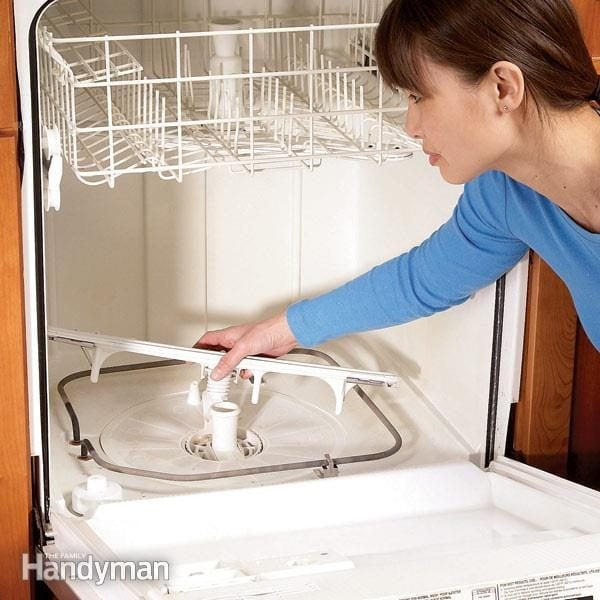
Spray arms spray water to clean dishes. They have small holes that can get blocked by mineral deposits or food. Blocked holes stop water from reaching dishes. Remove the spray arms and check each hole. Use a toothpick or wire to clear obstructions. Soaking spray arms in vinegar helps dissolve buildup.
Improper Loading
Loading dishes incorrectly blocks water spray. Overcrowding or overlapping dishes stops water from reaching all surfaces. Place larger items on the sides and back. Avoid blocking spray arms with tall items. Proper loading ensures every dish gets clean water and detergent.
Low Water Temperature
Dishwashers need hot water for effective cleaning. Water below 120°F (49°C) prevents detergent from working well. Check your water heater settings. Increase temperature if needed but stay below 140°F (60°C) to avoid burns. Hot water helps dissolve grease and food residues.
Detergent And Hard Water Issues
Using the wrong detergent or too little reduces cleaning power. Use detergent made for dishwashers and follow package instructions. Hard water contains minerals that leave spots and film on dishes. Use a rinse aid or water softener to reduce mineral buildup. Clean dishes come from the right detergent and water quality.

Credit: www.youtube.com
Maintenance Tips
Proper maintenance keeps your dishwasher running smoothly. Regular care prevents common problems that stop dishes from getting clean. Simple steps help improve cleaning power and extend your dishwasher’s life.
Cleaning The Filter
The filter catches food particles to stop clogs. Remove it from under the bottom rack. Rinse it with warm, soapy water. Use a soft brush to clear stuck debris. Clean the filter once a month for best results.
Unclogging Spray Arms
Spray arms spray water to clean dishes. Check for blocked holes or buildup. Use a toothpick or thin wire to clear holes. Soak spray arms in vinegar to dissolve mineral deposits. Clean spray arms regularly to keep water flow strong.
Wiping The Interior
Food residue can build up inside the dishwasher. Wipe the walls and door seals with a damp cloth. Use mild detergent or vinegar for stubborn stains. Clean the interior every few weeks to prevent odors and grime.
Checking Water Temperature
Water must be hot enough to clean dishes well. The ideal temperature is between 120°F and 140°F (49°C to 60°C). Check your water heater settings. Adjust to this range to improve washing power and remove grease.
Loading And Usage
Proper loading and usage of your dishwasher can greatly improve cleaning results. Incorrect loading blocks water and detergent from reaching dishes. Using the right detergent and rinse aid also makes a big difference. Follow these simple tips to get cleaner dishes every time.
Proper Dish Arrangement
Place dishes so water sprays reach all surfaces. Avoid stacking or overlapping plates and bowls. Cups and glasses should face downward to drain. Large items like pots should be on the sides or back. Keep utensils separated to avoid nesting and poor cleaning.
Scraping Vs Rinsing
Scrape off large food bits before loading. Do not rinse dishes under water. Modern detergents work best with some food residue. Rinsing wastes water and reduces detergent effectiveness. Scraping saves time and improves cleaning.
Choosing The Right Detergent
Use detergent made for dishwashers only. Powder, gel, or pods all work well if used correctly. Follow package instructions for the correct amount. Too much detergent can cause residue. Too little detergent leaves dishes dirty.
Using Rinse Aid
Rinse aid helps dishes dry faster and spot-free. It reduces water spots and film on glasses. Fill the rinse aid dispenser regularly. It is especially helpful if you have hard water. Using rinse aid improves overall dishwashing results.
Water Quality And Hard Water
Water quality plays a big role in how well your dishwasher cleans. Hard water contains minerals like calcium and magnesium. These minerals can cause problems inside your dishwasher and on your dishes. Understanding hard water helps you keep your dishwasher working well and your dishes spotless.
Impact Of Hard Water
Hard water leaves mineral deposits on dishes and inside the dishwasher. These deposits can block spray arms and filters. They reduce water flow and cleaning power. Over time, hard water causes spots, film, and buildup on dishes. It also wears out dishwasher parts faster.
Using Water Softeners
Water softeners remove minerals from hard water. They help prevent buildup inside the dishwasher. Soft water improves detergent effectiveness. Your dishes come out cleaner and shinier. Installing a water softener protects your dishwasher and plumbing.
Special Dishwasher Cleaners
Dishwasher cleaners made for hard water remove mineral deposits. They clean spray arms, filters, and pipes. Using these cleaners regularly keeps your dishwasher running smoothly. They also help stop odors and improve washing results. Follow the cleaner’s instructions for best results.
Component Troubleshooting
Troubleshooting dishwasher components helps identify why dishes stay dirty. Parts can wear out or get blocked. Testing key components finds the cause of poor cleaning. This section covers common parts to check.
Faulty Water Inlet Valve
The water inlet valve controls water entering the dishwasher. A faulty valve may let too little water in. This reduces cleaning power. Check if the valve opens fully during a cycle. Replace it if it stays closed or leaks.
Pump Issues
The pump moves water through spray arms. If the pump fails, water flow stops. This means dishes stay dirty. Listen for unusual noises or no sound at all. Clean debris around the pump area. Replace the pump if it does not work properly.
When To Call A Professional
Some problems need expert help. Complex repairs can cause damage if done wrong. Call a professional if you cannot find the problem. Also call if parts need special tools to fix. Professionals ensure your dishwasher works safely and well.
Frequently Asked Questions
Why Is My Dishwasher Not Cleaning The Dishes?
Your dishwasher may not clean dishes due to clogged filters, dirty spray arms, improper loading, low water temperature, or poor detergent quality. Clean filters and spray arms, load dishes correctly, use hot water, and choose a good detergent to improve cleaning performance.
Why Are My Dishes Still Dirty After The Dishwasher Cycle?
Dirty dishes after a cycle often result from clogged filters, blocked spray arms, improper loading, low water temperature, or poor detergent quality. Clean filters and spray arms, load dishes properly, ensure hot water, and use quality detergent and rinse aid for better cleaning results.
How To Clean Clogged Dishwasher Spray Arms?
Remove spray arms and rinse under warm water. Use a toothpick or wire to clear blocked holes. Soak arms in vinegar for 30 minutes to dissolve buildup. Reattach and run a test cycle to ensure proper water flow and cleaning.
How Do I Get My Dishwasher To Clean Again?
Clean the filter and spray arms to remove clogs. Load dishes properly without overcrowding. Use quality detergent and rinse aid. Check water temperature is at least 120°F. For hard water, use a water softener or cleaner. Call a professional if issues persist.
Why Is My Dishwasher Not Cleaning Dishes Properly?
Clogged filters, dirty spray arms, or poor loading often cause poor cleaning in dishwashers.
Conclusion
A dishwasher that does not clean dishes well can cause daily frustration. Regularly clean the filter and spray arms to keep them clear. Load dishes carefully to allow water to reach every surface. Use the right detergent and add rinse aid for better results.
Check your water temperature to ensure it is hot enough for cleaning. Hard water can reduce performance, so consider a water softener if needed. Persistent problems might mean a broken part needs professional help. Following these simple steps can help your dishwasher work better again.