
Have you ever flipped your circuit breaker to the ON position, only to find there’s still no power at your outlet? It’s frustrating and confusing.
You expect electricity to flow, but something’s stopping it—and you’re left wondering why. Whether it’s a lamp that won’t light up or a device that won’t charge, this issue can disrupt your daily routine. But don’t worry, you’re not alone, and you don’t have to stay powerless.
You’ll discover simple, clear steps to diagnose why your outlet isn’t working even though the breaker is on. From checking hidden wiring problems to spotting faulty outlets, you’ll learn exactly what to do next—safely and effectively. Keep reading to take control and get your power back on.
Check Circuit Breaker Status
Checking the circuit breaker status is an important step when there is no power at an outlet, even though the breaker is on. The breaker might look fine but can still cause power issues if it is tripped or not fully reset. This section guides you through simple steps to verify the breaker status and fix common problems.
Locate Electrical Panel
Find the electrical panel in your home. It is often in the basement, garage, or utility room. The panel holds all circuit breakers controlling power to your home’s outlets and lights. Make sure the area around the panel is clear and well-lit before you begin.
Identify Tripped Breaker
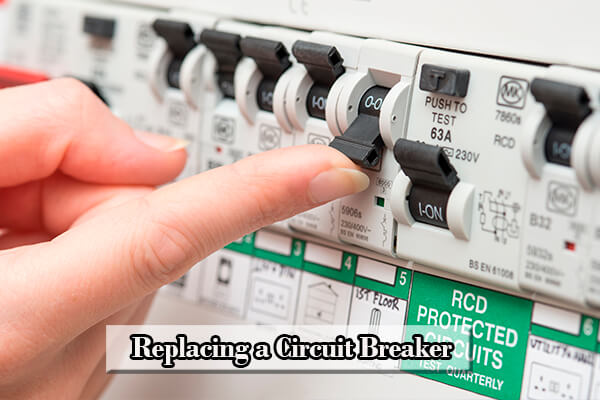
Look closely at each breaker switch. A tripped breaker usually sits between the ON and OFF positions. It may feel loose or slightly shifted. Sometimes, breakers can trip without moving far. Check carefully for any breaker that does not fully align with the ON position.
Reset Breaker Properly
Turn the tripped breaker fully to the OFF position first. Wait a few seconds. Then switch it back to ON. This reset can restore power to the outlet. Do not force the switch. If it does not stay in the ON position, avoid repeated attempts to prevent damage.
Address Repeated Trips
If the breaker trips again soon after resetting, there may be a wiring or appliance problem. Unplug devices on that circuit to reduce load. Persistent trips could mean an electrical fault. In this case, contact a licensed electrician to inspect and repair safely.

Credit: www.youtube.com
Inspect Gfci Outlets
Examining wiring connections is crucial when the circuit breaker is on but the outlet has no power. Faulty or loose wiring often causes power interruptions without tripping the breaker. Careful inspection can reveal issues like disconnected wires or damaged connections. Fixing these problems restores power safely and efficiently.
Turn Off Power First
Always turn off the power at the circuit breaker before inspecting wiring. This step protects you from electrical shocks. Use a voltage tester to confirm the power is off. Never handle wiring with live electricity. Safety comes first in all electrical work.
Inspect Outlet Wiring
Remove the outlet cover to check wiring inside. Look for loose or disconnected wires on the terminals. Tighten any screws holding wires firmly in place. Check for signs of damage like burnt or frayed wires. Replace the outlet if it appears worn or broken. Proper connections ensure the outlet receives power.
Check Junction Boxes
Junction boxes connect wires from different circuits. Open each box carefully after turning off power. Look for loose wire nuts or disconnected wires inside. Secure all wire connections tightly. Examine wires for damage or corrosion. Fixing junction box issues often restores power to outlets.
Test Outlet Power
Loose neutral wires can cause power loss at an outlet even when the breaker is on. The neutral wire completes the electrical circuit by carrying current back to the panel. If it is loose or disconnected, electricity cannot flow properly. This issue often goes unnoticed because the breaker does not trip.
Checking for loose neutrals is a key step in troubleshooting outlets with no power. It requires careful inspection and safety precautions. Always switch off the main breaker before touching any wiring.
Why Loose Neutrals Cause Issues
Loose neutrals interrupt the return path of electricity. Without a solid connection, the outlet will not receive power. This break in the circuit does not cause the breaker to trip because the hot wire is still connected. This can make the problem hard to detect.
Loose neutrals may cause flickering lights or partial power loss in other parts of your home. Over time, loose connections can create heat and damage wires, increasing fire risk.
Secure Neutral Connections
Locate the outlet or junction box to check neutral wires. Look for wires that are loose, disconnected, or corroded. Tighten any loose wire nuts or terminal screws firmly but avoid over-tightening.
Use a voltage tester to ensure power is off before working on wires. If the neutral wire is damaged, replace it with the correct gauge wire. After securing all connections, restore power and test the outlet.
If the outlet still has no power, the problem might be elsewhere in the circuit. Contact a licensed electrician for further diagnosis and repair.
Credit: www.handykith.com
Examine Wiring Connections
Knowing when to call an electrician is important for your safety and home. Some electrical problems look simple but hide bigger issues. Handling electrical work without proper skills can be risky. A professional can find hidden problems and fix them safely.
Complex Wiring Problems
Wiring issues can be tricky and dangerous. If outlets have power loss despite the breaker being on, wiring may be faulty. Loose or damaged wires inside walls or junction boxes need expert care. Incorrect wiring can cause shocks or fires. An electrician has the tools and knowledge to fix complex wiring safely.
Persistent Power Loss
Power loss that keeps happening is a sign of a serious problem. Sometimes, breakers do not trip even when outlets lose power. This could mean hidden faults in the circuit. Repeated power loss can damage appliances and cause hazards. Calling an electrician ensures the problem gets a proper diagnosis and repair.
Safety Concerns
Electricity is dangerous without the right skills. Sparks, shocks, or smells of burning plastic mean stop and call a pro. Faulty outlets or breakers can cause fires. Do not try to fix these issues yourself. An electrician follows safety rules and uses protective gear to keep your home safe.
Credit: www.handykith.com
Frequently Asked Questions
What’s Going On When The Breaker Is On But There Is No Power In The Outlet Or Lights?
A breaker can be on but still no power if wiring is loose, damaged, or a neutral wire is disconnected. Check outlets, junctions, and GFCI resets. Use a voltage tester to confirm power flow. Call an electrician if unsure or if issues persist.
Why Am I Not Getting Power To An Outlet?
Lack of power to an outlet often results from a tripped breaker or GFCI, loose wiring, or a faulty outlet. Check and reset breakers or GFCIs first. Inspect for loose or damaged wires with power off. Call a licensed electrician if issues persist.
Why Did My Outlet Stop Working But The Breaker Didn’t Flip?
Your outlet may stop working due to loose wiring, a faulty outlet, or a tripped GFCI not linked to the breaker. Check for damaged connections, test the outlet with a voltage tester, and reset any GFCI outlets nearby. Call an electrician if unsure or unsafe.
How To Fix Outlets Not Working With Breaker?
Turn off power at the breaker. Check and reset any tripped breakers or GFCI outlets. Inspect outlets for loose or damaged wiring. Use a voltage tester to confirm power. Tighten any loose connections. Call a licensed electrician if the problem persists or if unsure about electrical work.
Why Is My Outlet Dead Though The Breaker Is On?
The outlet may have loose wiring, a faulty outlet, or a tripped GFCI elsewhere.
Conclusion
Power loss at an outlet with the breaker on can be tricky. Check for loose or damaged wiring first. Test the outlet with a voltage tester to confirm power flow. Reset GFCI outlets or breakers if needed. Avoid working on electrical issues if unsure.
Call a licensed electrician to ensure safety. Fixing the problem early prevents bigger electrical hazards. Stay safe and keep your home’s wiring in good shape.