
When it comes to choosing the right freezer for your home, efficiency matters—not just to save on your energy bills, but to keep your food fresh longer and make your daily routine easier. You might be wondering, which option is better for your needs: a chest freezer or an upright freezer?
Both have their strengths and drawbacks, especially when it comes to energy use, space, and convenience. You’ll discover the key differences in efficiency between chest freezers and upright freezers, so you can make a smart choice that fits your lifestyle and keeps your kitchen running smoothly.
Ready to find out which freezer gives you the best bang for your buck? Let’s dive in.
Credit: www.sustainability.ucsb.edu
Chest Freezer Basics
Chest freezers offer a simple and effective way to store frozen food. They come in a box-like shape with a lid that opens from the top. This design helps keep cold air inside better than some other freezers. Many people choose chest freezers for their ability to store large amounts of food at once.
Understanding the basics of chest freezers is important to see how they compare with upright freezers. Their shape and how they use energy affect how efficient they are. Let’s explore these key features.
Design And Layout
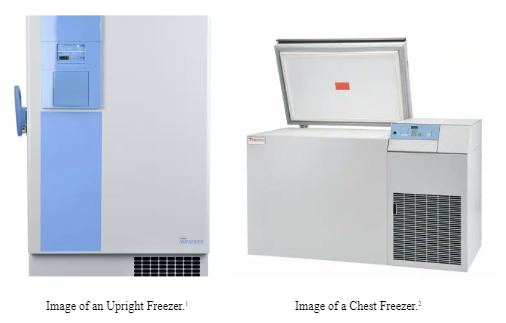
Chest freezers have a wide, horizontal design. The lid opens from the top, which helps trap cold air inside. This reduces how often the freezer has to work. Inside, there are usually no shelves. Items are stored in one big space or in removable baskets. This design can make it harder to organize food. You may need to dig to find things at the bottom. The large footprint means the freezer takes up more floor space.
Energy Use Patterns
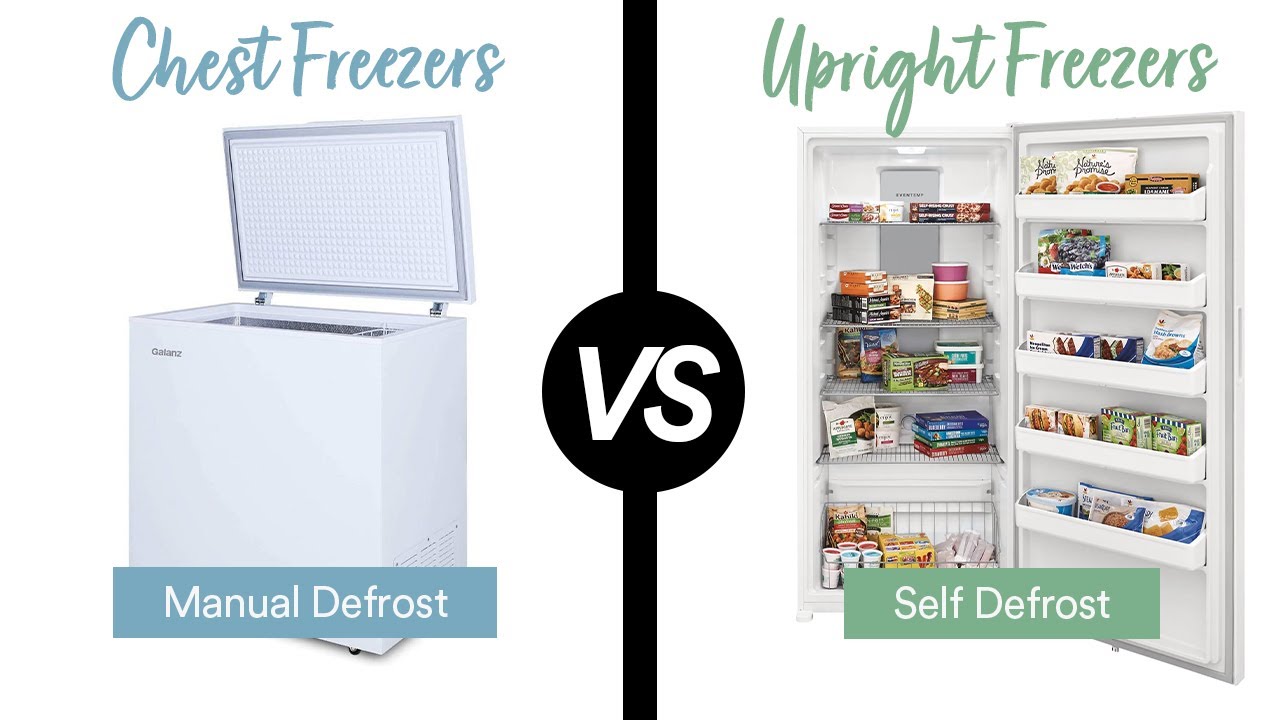
Chest freezers use energy efficiently. Cold air stays inside when you open the lid because cold air sinks. This means less cold air escapes compared to upright freezers. They often use less electricity over time. However, chest freezers usually need manual defrosting. This can make maintenance a bit harder. Despite that, their solid insulation helps keep food frozen with less energy.
Credit: www.sustainability.ucsb.edu
Upright Freezer Features
Upright freezers offer several practical features that appeal to many households. They stand tall and use vertical space well. This design fits easily into narrow areas or corners.
These freezers often come with shelves and drawers. This helps keep food items neat and easy to find. Many models also include frost-free technology. This reduces the need for manual defrosting and maintenance.
Space Efficiency
Upright freezers use vertical space to save floor area. They fit into tighter spots than chest freezers. This makes them ideal for smaller kitchens or rooms. The slim profile allows better room flow and placement options.
Multiple shelves maximize storage without wasting space. You can store more items without clutter. This layout also helps keep the freezer organized and tidy.
Organization And Access
Shelves, baskets, and drawers improve organization. You can separate different food types easily. This prevents items from getting lost or buried. You can see everything at a glance.
Items stay accessible without bending or digging. Doors open wide and shelves pull out smoothly. This reduces strain and makes daily use simpler. Quick access saves time and energy.
Energy Efficiency Comparison
Energy efficiency plays a big role in choosing between a chest freezer and an upright freezer. Understanding how each type uses energy helps you save money and reduce your environmental impact. This section breaks down their energy efficiency by looking at cold air retention, compressor workload, and energy consumption stats.
Cold Air Retention
Chest freezers hold cold air better than upright freezers. Their lid opens from the top, so cold air stays inside. Cold air sinks, so it does not escape easily when the lid is opened. Upright freezers lose more cold air because their door swings open from the front. This means more warm air enters the freezer each time you open it.
Compressor Workload
Chest freezers usually have a lighter workload for the compressor. Since cold air stays inside longer, the compressor runs less often to keep the temperature low. Upright freezers need the compressor to work harder because cold air escapes more quickly. The compressor turns on more often to cool the freezer back down. This increases energy use and wear on the machine.
Energy Consumption Stats
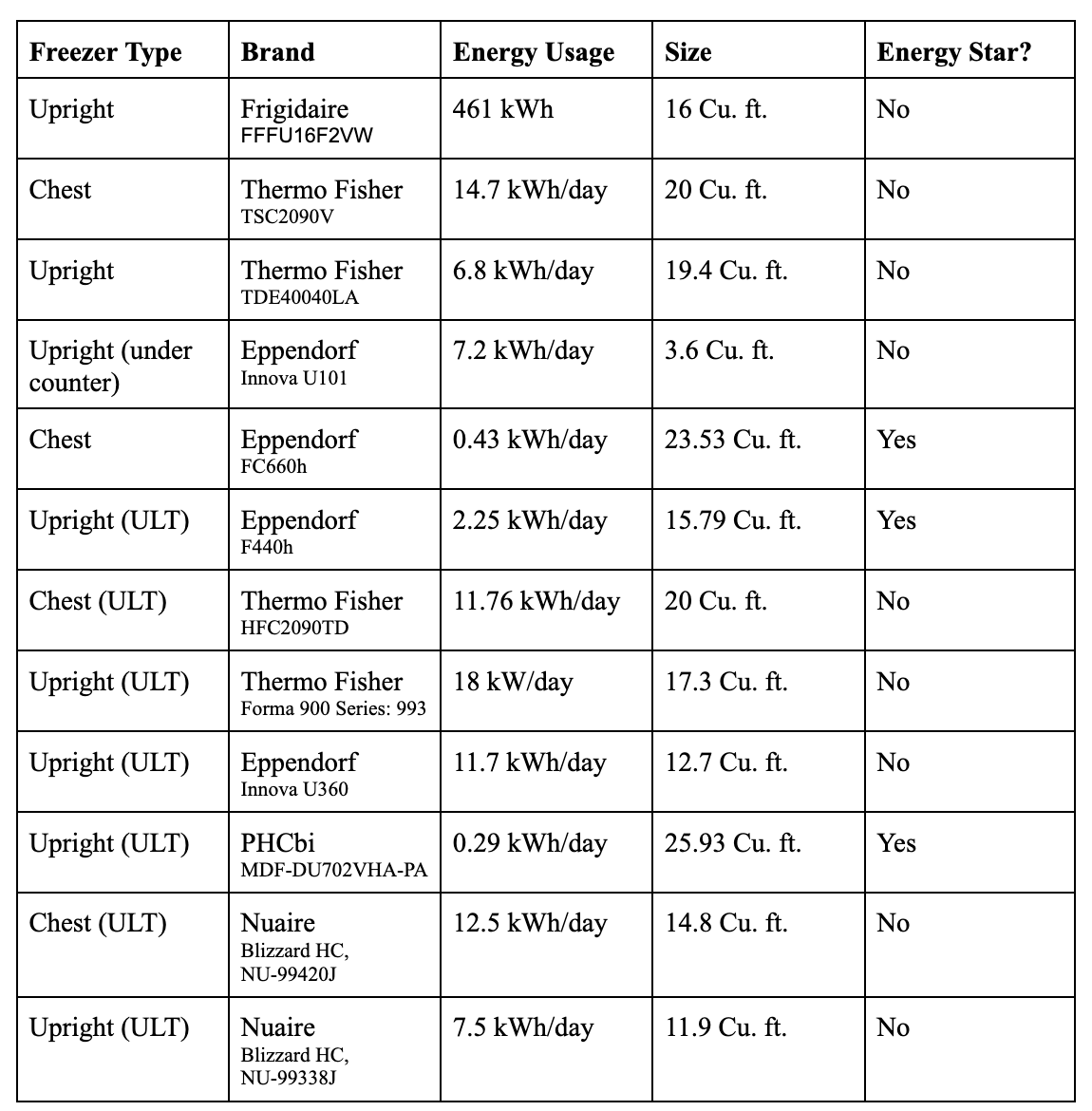
Studies show chest freezers generally consume less energy than upright freezers. On average, chest freezers use 10 to 25 percent less electricity. This difference can add up to significant savings on your energy bill. Energy Star ratings often favor chest freezers for efficiency. However, newer upright freezers with improved insulation and technology may close this gap.
Credit: www.youtube.com
Space And Footprint
Choosing between a chest freezer and an upright freezer involves understanding their space and footprint. Each type occupies different floor areas and offers distinct access options. Knowing these differences helps you fit the freezer in your home efficiently. This section breaks down how each freezer handles space and accessibility.
Floor Space Needs
Chest freezers usually need more floor space than upright freezers. They have a wider base and require room to open the top lid fully. This can limit placement in small kitchens or tight spaces. Upright freezers take up less floor area because they stand tall and narrow. This design fits better in corners or narrow spots. Consider available room before choosing your freezer type.
Opening And Accessibility
Chest freezers open from the top, making it necessary to bend down to reach inside. Items at the bottom can be hard to see or reach. This design can be challenging for people with mobility issues. Upright freezers open like a refrigerator with shelves and drawers. This setup allows easier access to all items without bending. Upright models also make organizing food simpler and quicker to find.
Maintenance And Cleaning
Maintenance and cleaning play a big role in freezer efficiency. Keeping your freezer clean helps it run smoothly and last longer. Both chest and upright freezers need regular care, but their designs affect how easy that care is.
Defrosting Requirements
Chest freezers usually need manual defrosting. Ice builds up over time and lowers efficiency. You must turn it off and let the ice melt. This process can take several hours. It also means you lose freezer space during defrosting.
Upright freezers often have frost-free models. These use a fan to stop ice from building up. This means no manual defrosting is needed. The freezer stays efficient without extra work.
Cleaning Challenges
Cleaning a chest freezer can be hard. You have to bend down and reach inside. The deep design makes it tough to see and clean all corners. Removing all food before cleaning is necessary. It takes more effort and time.
Upright freezers are easier to clean. Shelves and drawers can be removed for washing. You can stand up while cleaning, which is more comfortable. Better organization also means less mess and quicker cleaning.
Cost And Longevity
Choosing between a chest freezer and an upright freezer involves more than just size and style. Cost and longevity play a key role in deciding which one offers better value. Understanding these factors helps you make a smart purchase that fits your budget and lasts for years.
Initial Investment
Chest freezers usually cost less upfront than upright freezers. They offer more storage space for the price. Upright freezers tend to be pricier due to their design and added features. The extra cost covers shelves, drawers, and easier access. Your choice depends on your budget and how much storage you need.
Durability And Lifespan
Chest freezers are known for their durability. Their simple design has fewer parts that can break. This often means fewer repairs over time. Upright freezers have more moving parts and electronics. These features may increase the chance of malfunctions. Both types can last 10 to 20 years with proper care. Regular maintenance helps extend their lifespan significantly.
User Experience
User experience plays a big role in choosing between a chest freezer and an upright freezer. It affects daily use and overall satisfaction. Understanding how each freezer handles food organization and access helps make a better decision. Both types offer distinct benefits and challenges for users.
Ease Of Organizing Food
Chest freezers usually have one large compartment. This open space can hold bulky items easily. But it lacks shelves or drawers, making sorting tricky. Items may get buried at the bottom. This can cause food to be forgotten or wasted.
Upright freezers come with shelves and bins. They allow better separation of food types. Organizing smaller packages is simpler. You can label shelves or bins for quick finding. This system helps keep everything visible and tidy.
Accessing Items
Chest freezers require bending down to open the lid. Reaching items at the bottom can be hard. This may be difficult for elderly or people with mobility issues. Items can get stuck behind others, making retrieval slow.
Upright freezers open like a fridge door. You can stand upright and easily reach shelves. Items are visible at eye level. This reduces strain and speeds up finding food. The door design also limits cold air loss during use.
Choosing The Right Freezer
Choosing the right freezer affects your home’s energy use and convenience. Both chest freezers and upright freezers have unique features. Understanding these helps pick the best option for your needs.
Consider space, how often you access food, and what you store. These factors guide you to the most efficient choice for your household.
Matching Needs To Features
Chest freezers offer more space for bulk items. They keep food frozen longer during power outages. Their large size fits well in basements or garages.
Upright freezers use less floor space. They have shelves and drawers for better organization. You can find items quickly without bending down.
Think about your storage habits. If you store many large items, a chest freezer works well. For easy access and better organization, choose an upright freezer.
Energy Savings Tips
Keep the freezer full but not overloaded. A full freezer uses less energy to stay cold. Group items together to reduce the time the door stays open.
Place your freezer away from heat sources like ovens and windows. This reduces the energy needed to keep food frozen.
Check the door seals often. Tight seals keep cold air in and save energy. Defrost chest freezers regularly to prevent ice buildup and maintain efficiency.
Frequently Asked Questions
What Are The Disadvantages Of A Chest Freezer?
Chest freezers need manual defrosting and take up more floor space. They lack shelves, making organization and access difficult. Cleaning requires bending, which can be hard for some users. Items at the bottom often get forgotten.
Which Style Of Freezer Is Most Energy Efficient?
Chest freezers are generally the most energy efficient. Their top-opening door minimizes cold air loss, saving electricity.
Do Upright Freezers Use A Lot Of Electricity?
Upright freezers use moderate electricity but generally consume more energy than chest freezers. Their vertical design causes more cold air loss when opened. Energy-efficient models reduce electricity use. Proper sealing and temperature settings help minimize power consumption.
Do Upright Freezers Last As Long As Chest Freezers?
Upright freezers generally last slightly less than chest freezers due to design and compressor differences. Chest freezers often have longer lifespans. Proper maintenance affects both types’ durability significantly.
Which Freezer Uses Less Energy: Chest Or Upright?
Chest freezers generally use less energy due to better insulation and less cold air loss.
Conclusion
Choosing between a chest freezer and an upright freezer depends on your needs. Chest freezers use less energy but need manual defrosting. Upright freezers offer easier access and better organization. They take up less floor space but may use slightly more power.
Think about your kitchen size and how often you use frozen goods. Both types have strengths and weaknesses. Pick the one that fits your lifestyle and space best. This way, you save energy and keep your food fresh efficiently.