
Is your chest freezer running but not freezing? It’s frustrating to open the lid and find your frozen goods thawed or soft.
You rely on your freezer to keep food fresh and safe, so when it stops freezing properly, you need answers fast. The good news is, you don’t have to panic or rush to buy a new unit right away. Often, the problem is something simple that you can fix yourself.
You’ll discover the common reasons why your chest freezer isn’t freezing and easy steps you can take to get it back to freezing like new. Keep reading—you’ll save time, money, and avoid wasting your food.
Common Causes
Understanding why a chest freezer stops freezing is key to fixing it. Several common problems cause this issue. Identifying these helps save time and money on repairs. Below are the main causes that might affect your freezer’s cooling ability.
Power Issues
A chest freezer needs a steady power supply. Check if it is plugged in properly. Also, inspect the circuit breaker or fuse box. A tripped breaker or blown fuse can stop the freezer from running.
Door Seal Problems
The door seal keeps cold air inside the freezer. If the seal is cracked or loose, cold air escapes. This makes the freezer unable to maintain low temperatures. Inspect the gasket for damage or dirt that stops it from sealing tightly.
Frost Buildup
Excess frost blocks air flow inside the freezer. This frost buildup reduces cooling efficiency. Defrost the freezer regularly to keep it running well. Too much frost means the freezer must work harder to stay cold.
Dirty Condenser Coils
Condenser coils release heat from inside the freezer. Dust and dirt on these coils reduce cooling power. Clean the coils at least twice a year with a vacuum or brush. Clean coils help the freezer cool properly and save energy.
Malfunctioning Compressor
The compressor pumps refrigerant to cool the freezer. A faulty compressor stops this process. Listen for unusual noises or no noise at all. A broken compressor often needs professional repair or replacement.
Faulty Evaporator Fan
The evaporator fan circulates cold air inside the freezer. If the fan does not work, cold air cannot spread evenly. This causes warm spots and poor cooling. Check if the fan is running and free of obstructions.
Start Relay And Capacitor Failures
The start relay and capacitor help the compressor start. If these parts fail, the compressor may not run. Symptoms include clicking sounds or the compressor not turning on. Testing these parts requires a multimeter and some skill.
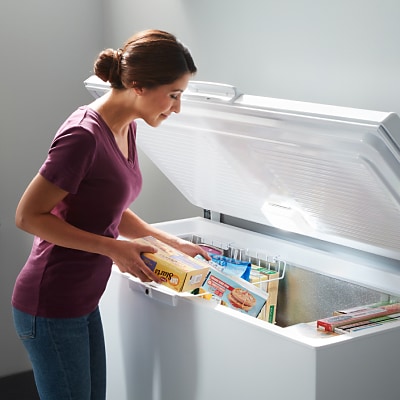
Overcrowded Freezer
Too many items block air vents inside the freezer. This stops cold air from moving around. Leave space between items for proper air flow. An overcrowded freezer struggles to keep everything frozen evenly.
Credit: www.whirlpool.com
Basic Checks
When a chest freezer stops freezing, start with basic checks. These steps help find simple problems fast. Checking power, door, settings, and ventilation often solves the issue. Follow these easy tips to get your freezer working again.
Verify Power Connection
Make sure the freezer is plugged in securely. Check the outlet by plugging in another device. Look for a tripped circuit breaker or blown fuse. Power issues are common reasons for freezers not freezing.
Inspect Door And Seal
Open the door and check the seal around it. Look for cracks, tears, or dirt that prevent a tight close. A bad seal lets cold air escape, stopping freezing. Clean the seal with warm soapy water and dry it well.
Check Temperature Settings
Look at the freezer’s temperature control knob or digital panel. Ensure it is set to the recommended freezing temperature. Too high settings stop the freezer from cooling properly. Adjust the setting and wait for a few hours to see changes.
Ensure Proper Ventilation
Place the freezer in a well-ventilated area with space around it. Avoid putting it too close to walls or other objects. Blocked airflow causes overheating and poor freezing. Clean dust or debris from vents and coils regularly.
Diy Fixes
Troubleshooting a chest freezer that is not freezing can seem tough. Simple DIY fixes often solve the problem quickly. These fixes help save money and avoid waiting for a technician. Follow these easy steps to get your freezer working again.
Resetting The Freezer
Locate the reset button on the back or bottom of the freezer. Press and hold it for a few seconds. This can clear minor electronic issues. Unplug the freezer for five minutes as an alternative reset method. Plug it back in and check if it starts freezing.
Cleaning Condenser Coils
Dust and dirt on condenser coils reduce cooling efficiency. Unplug the freezer before cleaning. Use a vacuum or brush to remove debris from coils. Clean coils improve airflow and help the freezer freeze properly. Perform this cleaning twice a year for best results.
Defrosting Excess Ice
Ice buildup blocks cold air circulation inside the freezer. Turn off and unplug the freezer. Leave the lid open to let ice melt naturally. Remove melted water with towels to avoid damage. Restart the freezer and check if freezing improves.
Replacing Door Gasket
A damaged door gasket causes cold air to escape. Inspect the gasket for cracks or tears. Purchase a replacement gasket matching your freezer model. Remove the old gasket by pulling it out carefully. Install the new gasket firmly to seal the door tightly.
Testing And Replacing Start Relay
The start relay helps the compressor run. A faulty relay stops the compressor from working. Unplug the freezer and locate the relay near the compressor. Use a multimeter to test for electrical continuity. Replace the relay if the test shows no continuity.
Credit: www.maytag.com
Diagnosing Compressor Issues
Diagnosing compressor issues is a key step when a chest freezer stops freezing. The compressor is the heart of the freezer’s cooling system. It pumps refrigerant through the coils to keep the inside cold. A faulty compressor can cause the freezer to lose its cooling power. You can check the compressor by listening, feeling for vibration, or testing with a multimeter. These simple steps help find the problem early.
Listening For Unusual Sounds
Start by listening closely to the compressor. It should hum steadily without interruption. Clicking noises or loud buzzing may signal trouble. If you hear the compressor turning on and off rapidly, it might be struggling. Silence or no sound at all often means the compressor is not working. Strange sounds help narrow down the cause of the freezing issue.
Checking Compressor Vibration
Next, gently touch the compressor to feel for vibration. A running compressor vibrates slightly. No vibration suggests it is off or broken. Be careful not to touch hot parts. If the compressor is silent and still, the problem could be electrical or mechanical. Vibration testing reveals if the compressor is active inside.
Using A Multimeter
A multimeter checks the compressor’s electrical health. Unplug the freezer first for safety. Remove the compressor’s access panel to reach the terminals. Set the multimeter to measure resistance (ohms). Test between each terminal and to ground. Infinite or zero readings point to a faulty compressor or wiring. This tool gives a clear electrical diagnosis.
Preventive Measures
Taking preventive measures helps keep your chest freezer working well. Small habits protect it from common problems. Follow these steps to avoid the freezer not freezing issue. Simple care extends the freezer’s life and saves energy.
Regular Cleaning Schedule
Clean the freezer’s interior and exterior regularly. Remove dust from condenser coils at least twice a year. Dust blocks airflow and causes cooling problems. Defrost the freezer if frost builds up over a quarter inch. Clean door seals to keep them tight. Cleanliness helps the freezer run smoothly.
Avoid Overpacking
Do not fill the freezer too full. Overpacking blocks air circulation inside the chest. Cold air cannot reach all items evenly. Leave space between items for air to flow. This keeps food frozen and the freezer efficient. Organize items to avoid overcrowding.
Proper Door Closing Habits
Always close the freezer door gently but firmly. Check that nothing blocks the door from closing fully. A door left slightly open lets cold air escape. This causes the freezer to lose cold quickly. Inspect door seals for cracks or damage. Replace seals if they are worn out.
Maintaining Optimal Temperature
Set the freezer temperature between -10°F and 0°F (-23°C to -18°C). Too cold wastes energy, too warm stops freezing. Use a freezer thermometer to check the temperature. Adjust settings as needed to keep food safe. Consistent temperature prevents freezer problems.
When To Call A Professional
A chest freezer not freezing properly can cause food spoilage and waste. Some issues are simple to fix, but others need expert help. Knowing when to call a professional saves time and prevents damage.
Professionals have the tools and knowledge to diagnose and repair complex problems. Do not ignore ongoing freezing issues. Early service can extend your freezer’s life and improve performance.
Persistent Cooling Problems
When your freezer stays cold but never freezes, it may have a deeper issue. Troubleshooting basic settings and cleaning coils might not help. Persistent cooling problems suggest a malfunction in the system. A professional can test refrigerant levels and check for leaks. They also inspect fans and sensors to find hidden faults. These issues need special tools and skills to fix safely.
Electrical Component Replacement
Chest freezers rely on electrical parts like thermostats, relays, and capacitors. A faulty electrical component stops the freezer from working correctly. Replacing these parts requires knowledge of the freezer’s wiring and safety precautions. A trained technician can identify which part is faulty. They will replace it without risking further damage or electric shock. Avoid guessing or DIY repairs on electrical systems.
Compressor Repairs
The compressor is the heart of the freezer’s cooling system. If it fails, the freezer will not freeze at all. Compressor problems often show as strange noises or no cooling at all. Repairing or replacing a compressor is complex and costly. Professionals have the right tools and experience for this task. They ensure the repair is done correctly and safely. Calling a pro for compressor issues prevents costly mistakes.
Frequently Asked Questions
How Do I Reset A Chest Freezer?
Unplug the chest freezer for 5 minutes to reset. Press the reset button, usually at the back or bottom. Plug it back in and restart.
How Do You Diagnose Chest Freezer Problems?
Check power supply and circuit breaker first. Verify temperature settings and proper ventilation. Inspect door seal for damage. Listen for unusual compressor sounds. Clean condenser coils and remove frost buildup. Test compressor start relay and fan motor for faults.
Why Is My Freezer Cool But Not Freezing?
Your freezer cools but doesn’t freeze due to door seal leaks, frost buildup, dirty coils, faulty compressor, or a broken start relay. Check these parts and ensure proper airflow and temperature settings.
How To Clean Condenser Coils In Chest Freezer?
Unplug the chest freezer first. Use a vacuum or brush to remove dust and debris from the condenser coils gently. Clean coils improve cooling efficiency.
Why Is My Chest Freezer Cool But Not Freezing Properly?
Cold air may be escaping due to a door left slightly open or a damaged seal.
Conclusion
A chest freezer not freezing can cause real trouble. Check power, door seals, and temperature settings first. Clean the coils and clear frost buildup regularly. Listen for strange sounds from the compressor or fan. Small fixes often solve the problem quickly.
Keep air flowing by not overloading the freezer. Regular care helps your freezer work well longer. Don’t ignore early warning signs to avoid costly repairs. A little attention keeps your food safe and fresh. Simple steps can bring your chest freezer back to life.