
If your Catit fountain is not working, you’re not alone. Many cat owners love these water fountains because they keep water fresh and encourage cats to drink more. But when the fountain suddenly stops, it can be frustrating for both you and your cat. Don’t worry—most Catit fountain problems can be fixed with a bit of troubleshooting, patience, and some simple tools. In this guide, you’ll learn why your Catit fountain might stop working, how to fix it, and how to prevent future issues. Whether your fountain is silent, leaking, or just not pumping water as it should, you’ll find clear solutions here.
Understanding How Catit Fountains Work
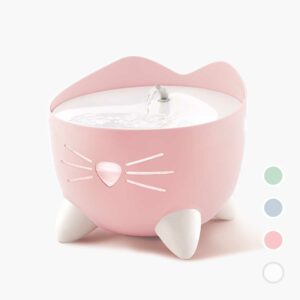
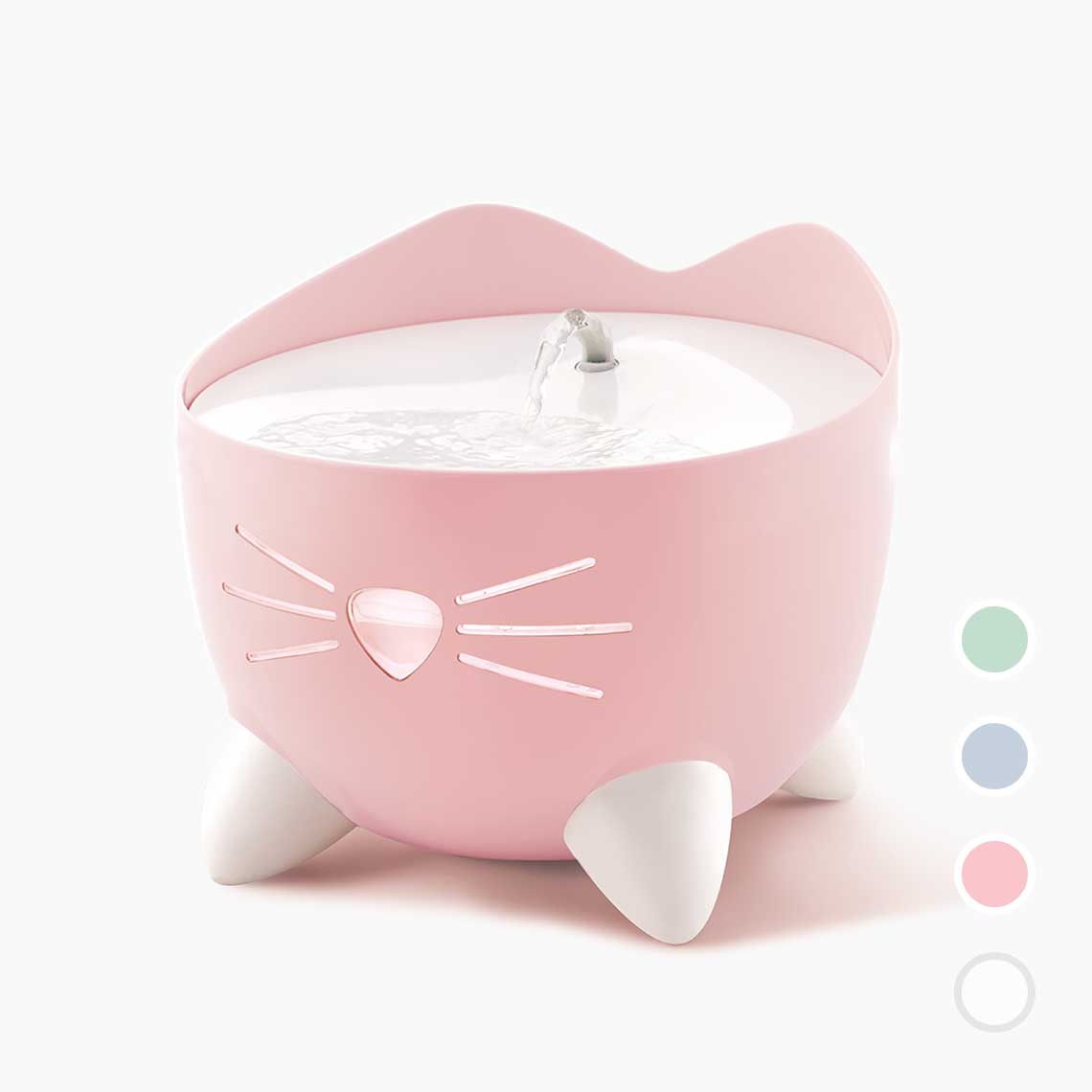
Before you start fixing problems, it helps to know how a Catit fountain operates. Most models use a small electric pump to circulate water through a filter and up to the top, where it flows down for your cat to drink. The main parts are:
- Water reservoir: Holds the water.
- Pump: Moves water through the fountain.
- Filter: Removes dirt and hair.
- Power adapter: Supplies electricity to the pump.
- Nozzle or spout: Where water comes out.
If any part fails, the fountain may stop working. Usually, the pump is the most common source of trouble. But dirt, blockages, and electrical issues can also play a role.
Common Reasons Your Catit Fountain Stops Working
Let’s look at the most frequent causes for a Catit fountain not working:
- Clogged filter: If you haven’t changed or cleaned the filter, it can become blocked and stop water flow.
- Dirty pump: Hair, slime, and mineral deposits can clog the tiny parts inside the pump.
- Power issues: Sometimes, the power adapter or cord is loose, damaged, or unplugged.
- Low water level: The pump needs enough water to work. If the reservoir is too low, it may run dry and shut off or burn out.
- Airlock in the pump: Air trapped in the pump can stop it from pulling water.
- Damaged parts: Cracks in the reservoir, broken pumps, or worn-out seals can all stop the fountain.
- Faulty electrical components: Rare, but possible, especially with older units.
- Improper assembly: If the fountain isn’t put together just right, it may not run.
Knowing these causes will help you troubleshoot quickly.
Credit: www.catit.com
Step-by-step Troubleshooting For Catit Fountain Not Working
When your Catit fountain stops, use this step-by-step guide to find and fix the problem.
1. Check The Power Source
First, make sure the fountain is getting electricity.
- Check if the adapter is plugged in securely to both the wall and the fountain.
- Try plugging something else (like a lamp) into the same outlet to see if the outlet works.
- Inspect the power cord for any visible damage or chew marks.
If the outlet or adapter is faulty, replace or repair as needed.
2. Inspect The Water Level
Catit fountains need a minimum water level to work.
- Remove the top and check if the water is above the minimum line.
- Add fresh water if it’s low.
- If you often find the water low, your cat may be drinking more than you think, or there may be a leak.
Running the fountain dry can damage the pump, so refill regularly.
3. Clean Or Replace The Filter
A dirty filter can block water flow and stress the pump.
- Remove the filter and rinse it under cold water.
- If it’s clogged or discolored, replace it with a new Catit filter.
- Most Catit filters should be changed every 3-4 weeks, or sooner with heavy use.
Don’t run the fountain without a filter for long, as it helps keep the water clean.
4. Deep Clean The Pump
The pump is the heart of the fountain. If it’s dirty, it can stop working.
- Unplug the fountain.
- Remove the pump from the reservoir.
- Open the pump (most Catit pumps have a small cover or impeller you can gently pull out).
- Clean all parts with a soft brush or toothbrush. Remove hair, slime, and scale buildup.
- Rinse thoroughly and reassemble.
Many owners skip this step, but it often solves mysterious problems.
5. Remove Airlocks From The Pump
Sometimes, air gets trapped in the pump and stops it from working.
- After cleaning, fill the reservoir with water.
- Tilt the fountain gently to help bubbles rise out of the pump.
- Plug in the fountain and listen for the pump noise.
If you hear a “gurgling” sound, that’s air escaping. The pump should work normally once the air is gone.
6. Reassemble The Fountain Correctly
Check all parts are put together in the right order.
- The pump should sit flat at the bottom of the reservoir.
- The filter must fit snugly.
- The top cover should be secure.
- The power cord should not be pinched or bent.
Improper assembly is a common beginner mistake.
7. Check For Damaged Or Worn Parts
If you’ve tried everything above and the fountain still doesn’t work:
- Look for cracks in the plastic parts.
- Inspect the pump for wear or broken impellers.
- Examine the filter housing and seals for leaks or damage.
- Replace any broken parts with genuine Catit replacements.
8. Test The Fountain Without The Filter
Sometimes, the filter itself is the problem.
- Remove the filter and run the fountain with just water.
- If it works, the filter is blocked and needs replacement.
This quick test can save you a lot of time.
9. Listen And Feel For The Pump
A healthy pump makes a soft humming noise and gentle vibration.
- Place your hand on the base to feel for vibrations.
- If you hear loud noises, rattling, or nothing at all, the pump may be failing.
A silent pump might be dead, while a noisy one might be jammed or worn out.
10. Try A Different Power Adapter
If you have a similar adapter (same voltage and amperage), try swapping it.
- Sometimes, the problem is a faulty adapter, not the fountain itself.
- Never use an adapter with higher voltage, as this can damage the pump.
11. Check For Leaks
Leaks can cause water to run out, stopping the pump.
- Place the fountain on a dry towel and watch for wet spots.
- Inspect seals, O-rings, and the bottom of the reservoir.
Leaks are usually caused by cracked plastic or worn seals.
12. Replace The Pump If Needed
If all else fails, the pump may be dead.
- Pumps can wear out after 1-2 years of constant use.
- Replacement Catit pumps are easy to find online or in pet stores.
- Always buy the correct model for your fountain.
Changing the pump often brings old fountains back to life.
How To Clean And Maintain A Catit Fountain
Proper cleaning and maintenance can prevent most problems before they start. Many first-time owners underestimate how quickly slime, hair, and minerals can build up.
How Often Should You Clean?
- Every week: Rinse and refill the reservoir with fresh water.
- Every 2-3 weeks: Take apart the fountain, clean all parts, and wash the filter.
- Every 3-4 weeks: Replace the filter and give the pump a detailed cleaning.
If you have hard water or multiple cats, clean more often.
Simple Cleaning Steps
- Unplug the fountain.
- Take apart the top, filter, and pump.
- Wash all plastic parts with warm, soapy water.
- Scrub the pump and impeller with a soft brush.
- Rinse everything very well—no soap residue.
- Dry and reassemble.
Extra Tips For Maintenance
- Use only Catit filters for best results.
- Avoid using vinegar or strong cleaners on the pump, as they can damage rubber parts.
- Place the fountain away from direct sunlight to slow algae growth.
- Use filtered or distilled water to reduce mineral buildup.
Cleaning Frequency Comparison Table
Here’s a quick comparison of recommended cleaning intervals for different Catit fountain models:
| Catit Fountain Model | Reservoir Cleaning | Pump Cleaning | Filter Change |
|---|---|---|---|
| Catit Flower Fountain | Weekly | Every 3 weeks | Every 3-4 weeks |
| Catit Mini Fountain | Weekly | Every 2-3 weeks | Every 3 weeks |
| Catit Stainless Steel Fountain | Weekly | Every 2 weeks | Every 2-4 weeks |

Credit: www.youtube.com
Signs Your Catit Fountain Needs Attention
Sometimes, your fountain gives you signs before it stops working completely. Here’s what to watch for:
- Reduced water flow: Usually means a clogged filter or pump.
- Loud pump noise: Air in the pump, dirty impeller, or running dry.
- Water not circulating: Blockage or pump failure.
- Unusual smells: Dirty water or algae growth.
- Visible slime or film: Clean immediately to keep water safe.
If you notice any of these, take action before the fountain stops completely.
Advanced Troubleshooting For Persistent Issues
If you’ve tried all the basic steps but your Catit fountain still doesn’t work, it’s time to look deeper.
Electrical Faults
Sometimes, the pump’s internal wiring or the adapter fails.
- Check for burn marks or melted spots on the pump or adapter.
- Smell for any “burnt” odor from the unit.
- If you suspect an electrical fault, do not use the fountain until it’s replaced.
Hard Water Problems
In areas with hard water, minerals can build up quickly and clog pumps or filters.
- Use filtered or distilled water if possible.
- Soak the pump parts in a 1: 3 white vinegar and water solution for 10 minutes (then rinse well).
- Replace filters more often.
Cat Behavior And Fountain Use
Some cats play with or try to move the fountain, causing spills or unplugging it.
- Place the fountain on a non-slip mat.
- Keep cords out of reach or use cord protectors.
Comparison: Common Catit Fountain Problems And Solutions
Let’s compare the most common problems with their solutions for quick reference:
| Problem | Possible Cause | Solution |
|---|---|---|
| No power | Outlet, adapter, or wiring | Check power source, replace adapter |
| No water flow | Low water, clogged filter/pump | Refill, clean filter and pump |
| Loud noise | Airlock, dry pump, debris | Remove airlock, refill, clean |
| Water leak | Cracked reservoir/seals | Replace damaged parts |
| Dirty water | Old filter, poor cleaning | Replace filter, clean more often |
How To Replace Catit Fountain Parts
Over time, some parts wear out and need replacing. Here’s what you might need to change:
Which Parts Can Be Replaced?
- Pump: The most common part to replace. If it stops working after cleaning, get a new one.
- Filter: Needs regular changing. Use only Catit filters for a proper fit.
- Power adapter: If damaged or not working, buy the correct model.
- Reservoir or covers: If cracked or leaking, contact Catit or buy spares online.
- Nozzle or spout: Sometimes gets lost or broken.
Always check your model number before ordering parts.
How To Order Replacement Parts
- Visit the Catit official website or trusted pet supply stores.
- Search for your fountain model and the part you need.
- Compare prices and shipping options.
- Avoid buying from unknown sellers, as fake parts may not fit or could be unsafe.
For detailed instructions, Catit’s website has helpful guides and diagrams: Catit Official.
Preventing Future Catit Fountain Problems
The best way to avoid problems is to keep your fountain clean and well-maintained. Here are some expert tips:
- Clean regularly: Don’t wait for a problem—prevent it.
- Use high-quality water: Filtered water reduces mineral buildup.
- Monitor water level: Never let it run dry.
- Replace filters on schedule: Mark your calendar or set reminders.
- Check for damage: Look for cracks, leaks, or fraying cords each time you clean.
Two non-obvious insights many owners miss:
- Check the impeller magnet: Inside the pump, the small spinning magnet can attract fine metal dust, which can slow or stop it. Wipe it clean with a soft cloth during each deep clean.
- Rotate the pump position: If your fountain allows, occasionally rotate the pump’s placement within the reservoir. This can help prevent one area from collecting all the debris and extend pump life.
When To Replace The Entire Fountain
Sometimes, even after replacing parts and cleaning, your Catit fountain may be at the end of its life. Signs it’s time for a new fountain include:
- Cracks that can’t be fixed with glue or tape
- Repeated leaks even after seal replacement
- A pump that fails soon after each cleaning or replacement
- Discolored or warped plastic
- Unusual smells that persist even after cleaning
A new fountain can sometimes save money and stress compared to endless repairs.
Catit Fountain Safety Tips
Always put safety first for your cat and home:
- Unplug the fountain before cleaning or moving.
- Never use outside unless the model says it’s outdoor-safe.
- Keep power cords away from pets who chew.
- Don’t use harsh chemicals for cleaning.
- Always supervise kittens or playful cats with the fountain.
Credit: www.catit.com
Alternatives If Your Catit Fountain Can’t Be Fixed
If you need a quick solution while waiting for repairs or a new fountain:
- Use a large ceramic or stainless steel bowl, filled with fresh water.
- Change the water twice a day to keep it clean.
- Place a few bowls in different spots to encourage drinking.
Some cats prefer moving water, but clean bowls work in a pinch.
Frequently Asked Questions
Why Does My Catit Fountain Make Loud Noises?
A loud noise usually means the pump is dry, there’s an airlock, or something is stuck inside. Unplug, check the water level, and clean the pump. Refill and restart. Sometimes, hard water buildup can make pumps noisier over time.
How Often Should I Change The Filter In My Catit Fountain?
Most Catit filters should be changed every 3-4 weeks, but if you have more than one cat or hard water, change it every 2-3 weeks. Dirty filters block water flow and can make water taste bad.
Can I Use Vinegar To Clean My Catit Fountain?
Yes, you can use a diluted vinegar solution (1 part vinegar to 3 parts water) to remove mineral deposits from plastic parts. But rinse very well, and avoid using strong vinegar on rubber or inside the pump, as it can damage those parts.
What Should I Do If The Pump Works But Water Won’t Flow?
If the pump runs but no water comes out, check for a blocked filter, clogged spout, or an airlock in the pump. Clean the filter and pump, reassemble carefully, and make sure water is at the right level.
Where Can I Find Replacement Parts For My Catit Fountain?
You can buy genuine Catit parts from the Catit Official website, or from trusted pet supply stores online and offline. Always choose parts designed for your exact model.
Conclusion
Keeping your Catit fountain running smoothly helps your cat stay hydrated and healthy. With regular cleaning and simple troubleshooting, most problems can be fixed in minutes. If your fountain does fail, parts are easy to replace, and a little maintenance goes a long way.
Remember, a well-cared-for fountain gives your cat fresh water and peace of mind for you.