
Have you ever wondered if it’s safe to put glass containers in your freezer? Maybe you’ve got leftovers in a glass jar or want to store homemade soup without switching to plastic.
The answer is yes—you can put glass in the freezer—but only if you know the right way to do it. Without proper care, your glass could crack or shatter, ruining your food and creating a mess. You’ll discover simple tips to freeze your food safely in glass, avoid costly mistakes, and make the most out of your freezer space.
Keep reading to unlock the secrets of freezing glass without fear.
Freezing Glass Basics
Freezing glass requires understanding how glass reacts to cold temperatures. Not all glass types handle freezing well. Proper selection and handling prevent cracks or breaks. Knowing how liquids behave inside glass during freezing is key. This section explains the basics of freezing glass safely.
Types Of Glass Suitable For Freezing
Tempered glass is strong and resistant to sudden temperature changes. Borosilicate glass handles cold and heat without cracking. Mason jars often use these glass types and work well in freezers. Avoid thin, decorative, or antique glass. These glass types crack easily in cold conditions.
How Liquids Affect Glass In Freezer
Liquids expand as they freeze, increasing pressure inside the container. Filling glass containers completely leaves no room for expansion. This causes cracks or breaks during freezing. Leave space at the top of the container for liquid expansion. Cooling liquids before freezing reduces sudden temperature stress on glass.
Safe Freezing Practices
Freezing food in glass containers can be safe and effective. Following proper freezing practices helps prevent glass from cracking or breaking. These simple steps protect your food and your glassware.
Understanding which glass containers to use and how to handle food before freezing is important. Proper preparation extends the life of your frozen meals and keeps your kitchen safe.
Choosing Freezer-safe Glass Containers
Not all glass containers can handle freezing temperatures. Look for containers labeled as “freezer-safe.” These are made to resist cold without cracking.
Containers with straight sides and thick glass work best. Avoid thin or decorative glass that may break easily in the freezer.
Allowing Space For Expansion
Liquids expand as they freeze. Fill glass containers only about three-quarters full. This extra space prevents pressure buildup and cracking.
Leave some room at the top. It allows food to expand safely without stressing the glass.
Cooling Food Before Freezing
Hot food can cause glass to crack due to sudden temperature change. Let food cool to room temperature before freezing.
Cooling food first reduces the risk of thermal shock. You can also chill food in the refrigerator before placing it in the freezer.
Using Tempered And Borosilicate Glass
Tempered and borosilicate glass are more durable under extreme temperatures. They handle freezing and heating better than regular glass.
Using these types of glass reduces the chance of breakage. They are ideal for freezer use and safe for everyday cooking.
Common Mistakes To Avoid
Freezing food in glass containers can be safe and convenient. Avoid common mistakes to keep your glass intact and your food fresh. Knowing what not to do helps prevent cracks and breaks in the freezer.
Overfilling Glass Containers
Glass expands when frozen. Filling containers to the top leaves no room for expansion. This causes pressure inside the glass. The glass may crack or shatter. Always leave space at the top, about one-quarter empty. This small gap protects your container from breaking.
Using Fragile Or Decorative Glass
Not all glass is made for freezing. Thin or decorative glass is fragile. It cannot handle cold temperatures well. Using these types can lead to cracks or breaks. Choose containers labeled “freezer-safe” or made of thick, tempered glass. This keeps your glass safe in the freezer.
Sudden Temperature Changes
Glass is sensitive to quick temperature shifts. Moving glass from freezer to hot oven causes thermal shock. This can make the glass shatter instantly. Avoid placing frozen glass in microwaves or ovens without warming it slowly. Let glass adjust to room temperature before heating.
Sealing Hot Food Too Tightly
Putting a tight lid on hot food traps steam inside. Steam creates pressure as it cools. This pressure can break the glass container. Let food cool before sealing tightly. If you need to seal hot food, do it loosely to allow steam to escape safely.
Credit: treadingmyownpath.com
Mason Jars And Freezing
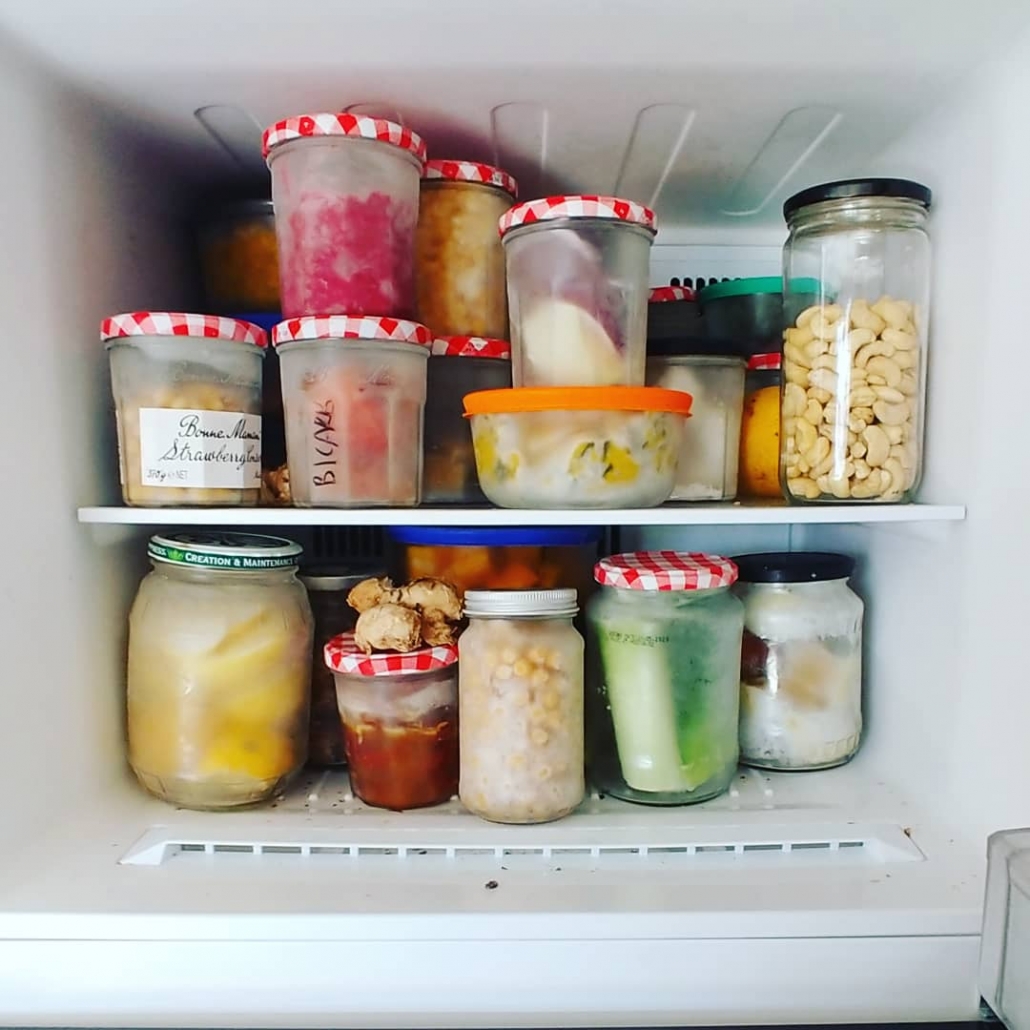
Mason jars are popular for freezing food safely and effectively. These glass jars handle cold temperatures well when used correctly. Many people wonder if they can freeze soups, sauces, or fruits in mason jars without cracking the glass. Understanding how to use mason jars in the freezer can help you store food without waste or damage.
Why Mason Jars Work Well
Mason jars are made from thick, durable glass. This glass resists cracking from cold better than thin glass. Their straight sides allow food to expand upward, not outward. Expansion space prevents pressure on the glass walls. The jars also have airtight lids that keep out freezer burn and moisture. This keeps food fresh for longer periods.
Proper Filling And Sealing Tips
Fill mason jars only about three-quarters full. Liquids expand when frozen, so this space avoids breakage. Cool hot food to room temperature before filling. Hot food can cause thermal shock and crack the glass. When sealing, do not tighten lids fully on warm food. Leave lids loose until food freezes to allow air and expansion. Tight lids can cause pressure build-up and lead to jar damage.
Handling Glass After Freezing
Handling glass after freezing requires care to keep it intact. Frozen glass can become fragile and may crack if treated roughly. Understanding proper thawing methods and avoiding sudden temperature changes helps protect your glass containers. Follow these tips to ensure safe use of glass after freezing.
Safe Thawing Techniques
Thaw frozen glass containers slowly to prevent damage. Move the glass from the freezer to the refrigerator first. This gradual change in temperature reduces stress on the glass. Avoid thawing at room temperature quickly, as it can cause cracking. If you need faster thawing, use cold water instead of warm water. Always handle the glass gently during thawing to avoid accidental drops or impacts.
Avoiding Thermal Shock
Thermal shock happens when glass faces sudden temperature changes. It causes the glass to expand or contract quickly, leading to cracks. Do not place frozen glass directly into hot environments. Avoid pouring hot liquids into cold glass containers. Let the glass warm slowly before exposing it to heat. Use glass labeled as tempered or borosilicate for better resistance. Careful temperature management prevents breakage and extends glass life.

Credit: onceamonthmeals.com
Alternatives To Glass For Freezing
Freezing food safely requires the right containers. Glass is popular but not always the best choice for freezing. Alternatives to glass offer flexibility and safety. They handle cold temperatures well and reduce breakage risks. These options work great for everyday freezing needs.
Plastic Containers
Plastic containers are lightweight and easy to use. They come in many sizes and shapes. Look for containers labeled “freezer-safe” to avoid cracking. Plastic does not shatter like glass, making it safer for kids. These containers seal tightly, helping to keep food fresh. They are also easy to stack, saving freezer space.
Silicone Options
Silicone containers are flexible and durable. They resist cold temperatures without breaking or cracking. Silicone is easy to bend, which helps remove frozen food easily. These containers often come with airtight lids. Silicone is safe for the freezer and microwave. It offers a long-lasting, reusable option for freezing food.
Expert Tips And Hacks
Freezing glass containers safely requires some smart tips. These expert hacks help protect your glass and make freezing easier. Follow simple steps to keep your containers intact and useful for longer. Use these tricks to get the most from your glass storage in the freezer.
Extending Glass Container Life
Choose glass labeled as freezer-safe to avoid cracking. Avoid sudden temperature changes to prevent thermal shock. Leave space at the top for food or liquid to expand. Always cool hot food before freezing to reduce stress on the glass. Use straight-sided containers because they handle expansion better. Tighten lids only after the contents start to freeze. Store glass containers carefully to avoid bumps and drops in the freezer.
Creative Uses For Frozen Glass Storage
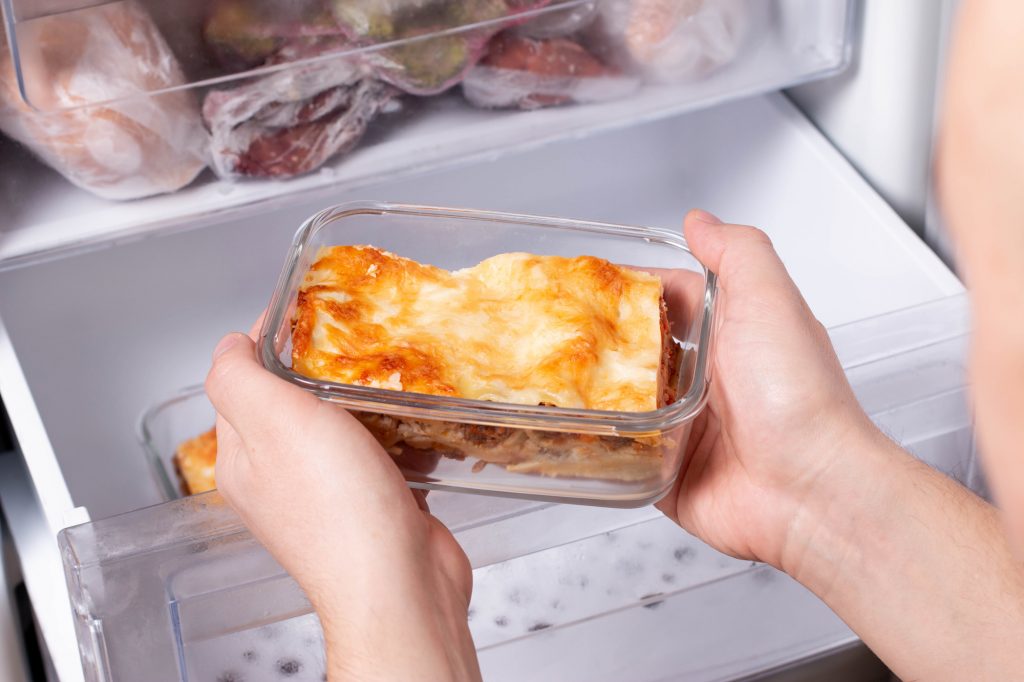
Freeze homemade sauces or stocks in glass jars for quick meal prep. Use glass containers to store pre-portioned smoothie ingredients. Freeze herbs in oil or water inside glass for fresh flavor year-round. Store leftover soups or stews in glass for easy thawing and reheating. Freeze desserts like puddings or custards in glass for neat servings. Use frozen glass containers to chill drinks faster by placing them in the freezer before use.
Credit: onceamonthmeals.com
Frequently Asked Questions
Is It Safe To Put Glass In The Freezer?
Yes, you can put glass in the freezer if it is labeled freezer-safe. Leave space for expansion and cool food before freezing. Avoid sudden temperature changes to prevent cracking. Use tempered, sturdy containers and never overfill them.
How Do I Know If My Glass Container Is Freezer Safe?
Check the label for “freezer-safe” on your glass container. Use tempered, sturdy glass with straight sides. Leave space for liquid expansion and cool food before freezing. Avoid sudden temperature changes to prevent breakage.
Can You Freeze Glass Without It Breaking?
Yes, you can freeze glass if it is labeled freezer-safe. Leave space for liquid expansion and cool food before freezing. Avoid sudden temperature changes to prevent breakage. Use tempered or borosilicate glass for best results. Do not overfill or use thin, fragile glass.
Can I Put Pyrex In The Freezer?
Yes, you can put Pyrex in the freezer if it is labeled freezer-safe. Leave space for liquid expansion and cool food before freezing. Avoid sudden temperature changes to prevent cracking. Use tempered or borosilicate Pyrex for best results.
Can Glass Containers Safely Go Into The Freezer?
Yes, glass can be frozen if labeled freezer-safe and filled correctly to avoid cracks.
Conclusion
Glass can go in the freezer safely with the right care. Use only containers labeled “freezer-safe” to avoid cracks. Always leave space for liquids to expand during freezing. Let hot food cool before placing it in glass jars. Avoid sudden temperature changes to protect the glass.
Following these simple steps helps keep your glass containers intact. Freezing food in glass can be easy and safe when done correctly. Remember, careful handling prevents breakage and keeps your food fresh.