
When it comes to choosing the right plumbing trap for your sink, you might find yourself stuck between a bottle trap and a P trap. Both serve the same purpose—to prevent sewer gases from entering your home—but they work in very different ways.
You want a solution that’s not only effective but also reliable and up to code. So, which one is better for your home or project? You’ll discover the key differences between bottle traps and P traps, why many experts prefer one over the other, and what you need to know to make the best choice for your plumbing needs.
Keep reading to avoid costly mistakes and ensure your plumbing works smoothly and safely.
Bottle Trap Basics
Bottle traps are a common plumbing fixture found under sinks. They serve as a barrier to stop sewer gases from entering a home. Understanding their basics helps compare them with P traps effectively.
Design And Structure
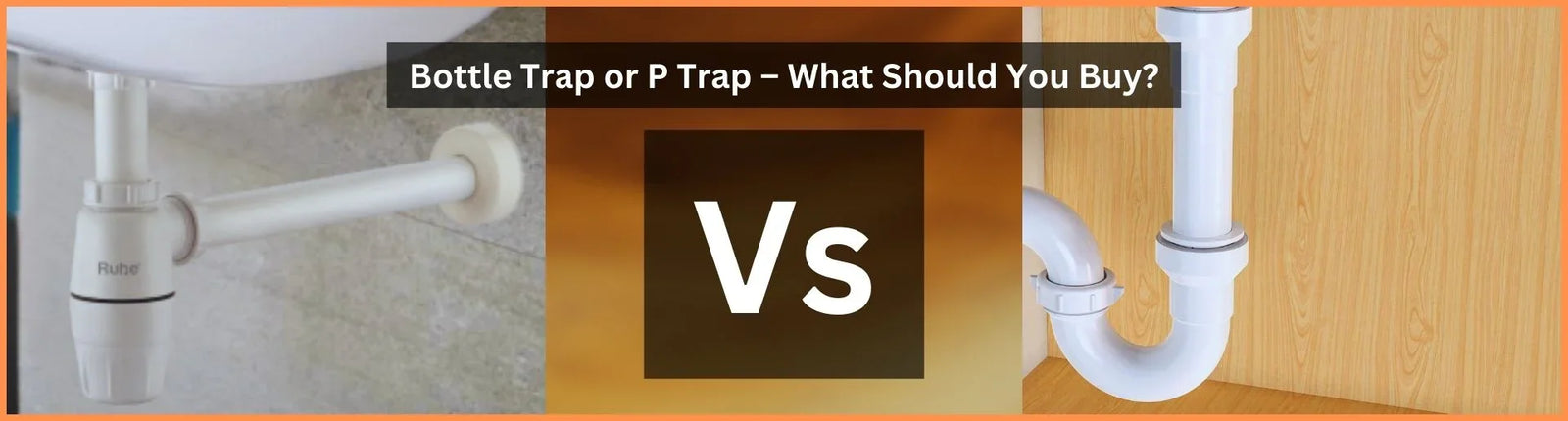
Bottle traps have a compact, cylindrical shape. They look like a bottle with a removable bottom. This design allows easy cleaning and debris removal. Inside, there is a small chamber where water collects.
Common Uses
Bottle traps are often used in bathroom sinks. Their small size fits well in tight spaces. They are popular in modern and designer sinks. However, they are less common in kitchen plumbing.
Water Seal Function
The water seal in a bottle trap blocks sewer gases. Water sits in the bottom chamber, creating a barrier. This seal must stay full to prevent bad odors. Bottle traps may need more frequent refilling if unused.
P Trap Essentials
Code compliance is a key factor when choosing between a bottle trap and a P trap. Plumbing codes ensure safety and proper function in drainage systems. Both traps serve similar purposes but differ in legal acceptance. Understanding these differences helps avoid costly repairs and code violations.
Building codes regulate the types of traps allowed in residential and commercial plumbing. These rules protect homes from sewer gases and blockages. The P trap is widely accepted, while bottle traps face restrictions in many areas.
Legal Status In The Us
Standard bottle traps are mostly not code compliant in the US. The International Residential Code (IRC) does not approve traps with internal partitions. These partitions can hide damage, risking leaks and gas escape. P traps meet code requirements and are the preferred option nationwide.
Reasons For Restrictions
Internal partitions in bottle traps create hidden chambers. These spaces can trap debris and cause blockages. Cracks or corrosion inside are hard to detect early. This leads to potential sewer gas leaks and health hazards. P traps have a simple design that prevents such problems.
Certified Alternatives
Some manufacturers offer certified bottle traps with permanent liners. These models meet plumbing codes by allowing easy inspection and cleaning. They provide a safer option where space limits P trap installation. Always verify product certification before use to ensure code compliance.
Code Compliance
The performance of bottle traps and P traps differs in several key areas. These differences affect their efficiency in plumbing systems. Understanding these aspects helps in choosing the right trap for your needs.
Below, we compare their self-cleaning ability, maintenance requirements, and durability.
Self-cleaning Capability
P traps have a natural curve that holds water, blocking sewer gases. This design also helps wash away debris regularly. The flowing water keeps the trap cleaner over time.
Bottle traps have a straight chamber that collects debris more easily. They rely on occasional manual cleaning to prevent blockages. Without regular flushing, they can trap odors and waste.
Maintenance Needs
P traps require less frequent maintenance due to their shape. They are easier to clean and inspect. This makes them ideal for busy or hard-to-reach areas.
Bottle traps need more attention to avoid clogs. The chamber must be opened and cleaned often. This can be inconvenient in areas with heavy use.
Durability And Reliability
P traps are generally more durable and reliable. Their simple design reduces the risk of cracks and leaks. They maintain a consistent water seal that prevents odors.
Bottle traps may wear out faster because of internal parts. Cracks or corrosion inside the chamber can go unnoticed. This can lead to foul smells and plumbing issues.
Credit: ruheindia.com
Performance Comparison
Both bottle traps and P traps serve the same purpose in plumbing. They stop sewer gases from entering living spaces. Despite this, each type faces common issues that affect their performance and safety. Understanding these problems helps in choosing the right trap for your needs.
Clogs And Blockages
Bottle traps often clog because debris collects in their narrow chamber. Their shape makes it hard to clear blockages with standard tools. P traps have a curved design that naturally catches debris but allows easier cleaning. This shape helps prevent frequent blockages and keeps water flowing smoothly.
Water Seal Failures
The water seal stops sewer gases from escaping. Bottle traps can lose this seal if water evaporates quickly, especially in low-use sinks. P traps maintain a consistent water seal due to their design. This reduces the risk of dry traps and unwanted odors.
Sewer Gas Risks
Bottle traps may hide cracks or corrosion inside, which can let sewer gases leak. These hidden failures are a safety concern and may not be easy to detect. P traps are simpler and allow for easy inspection. They provide a more reliable barrier against harmful sewer gases.
Installation Considerations
Proper maintenance keeps both bottle traps and P traps working well. Regular care prevents leaks and bad odors. Each trap type needs specific steps to stay clean and functional. Follow these tips for lasting plumbing health.
Regular Inspection
Check traps often for leaks or cracks. Look for water pooling under the sink. Smell for sewer odors near the trap area. Make sure the trap holds water to block gases. Inspect bottle traps more often since water can evaporate fast.
Cleaning Procedures
Turn off the water before cleaning the trap. Use a bucket to catch water when removing the trap. Clean inside the trap with a brush or cloth. Remove any debris or buildup. Flush the trap with warm water to clear residue. Avoid harsh chemicals that may damage the trap.
When To Replace
Replace traps if cracks or corrosion appear. Persistent leaks mean it is time to change the trap. Bottle traps may need replacement sooner due to hidden damage. P traps last longer but still need checking yearly. Use approved parts to meet plumbing codes.

Credit: usbathstore.com
Frequently Asked Questions
What Is Better, A P-trap Or A Bottle Trap?
P-traps offer reliable, code-compliant odor prevention with self-cleaning designs. Bottle traps may clog and often violate U. S. plumbing codes. Choose P-traps for safety, durability, and low maintenance in most applications.
Why Are Bottle Traps Illegal In America?
Bottle traps are illegal in America because they trap debris, hide damage, and risk sewer gas leaks. They fail plumbing codes requiring self-cleaning, inspectable traps like P-traps.
Do Bottle Traps Meet The Code?
Standard bottle traps usually do not meet U. S. plumbing codes due to hidden internal partitions. These can trap debris and cause leaks, allowing sewer gases inside. Codes favor P-traps for their self-cleaning, inspectable design and reliable water seal. Certified bottle traps with liners may comply.
What Are The Advantages Of A Bottle Trap?
Bottle traps save space with compact design and offer a sleek look under sinks. They are easy to install and clean.
What Is The Main Difference Between Bottle Trap And P Trap?
A bottle trap has a vertical chamber, while a P trap has a curved pipe that holds water.
Conclusion
Choosing between a bottle trap and a P trap depends on your plumbing needs. Bottle traps look neat but may need more care to avoid clogs. P traps are common, easy to maintain, and meet plumbing codes. They keep sewer gases out with a reliable water seal.
Remember, safety and code compliance matter for your home’s plumbing. A well-chosen trap prevents bad smells and costly repairs. Keep these points in mind when deciding which trap fits your bathroom or kitchen. Simple, effective plumbing keeps your home fresh and safe.