
Is your Bosch dishwasher leaking and causing water to pool on your kitchen floor? A leaking dishwasher isn’t just a minor annoyance—it can damage your cabinets, flooring, and lead to costly repairs if left unchecked.
You might be wondering what’s behind the leak and how to fix it quickly before it gets worse. The good news is, many common causes of Bosch dishwasher leaks are easy to identify and often simple to fix with a few straightforward steps.
You’ll discover the top reasons why your Bosch dishwasher is leaking, how to troubleshoot the issue, and practical tips to stop the leak for good. Keep reading to save your dishwasher—and your kitchen—from water damage today.
Common Leak Causes
Leaks in Bosch dishwashers often arise from a few common causes. Understanding these issues helps in quick troubleshooting. Knowing where leaks start saves time and avoids further damage. Below are frequent reasons why your Bosch dishwasher might leak.
Door Gasket Issues
The door gasket seals water inside during cycles. Over time, it can wear out or crack. A damaged gasket lets water escape from the door edges. Dirt and debris on the gasket also stop proper sealing. Regular cleaning and replacement fix this leak source.
Clogged Filter And Drain Hose
Filters trap food particles to keep water clean. When clogged, water cannot drain properly. This causes water to back up and leak. The drain hose may also get blocked or kinked. Cleaning filters and clearing hoses prevent leaks and improve washing.
Faulty Water Inlet Valve
The water inlet valve controls water entering the dishwasher. A broken or stuck valve can cause excess water flow. Too much water leads to leaks from various parts. Testing and replacing a faulty valve stops water overflow.
Pump And Hose Damage
The pump moves water during washing and draining. Hoses connect the pump to other parts. Cracks, holes, or loose connections cause leaks under the dishwasher. Checking and fixing pump seals and hose connections solves this problem.
Float Switch Problems
The float switch stops water when it reaches a certain level. If it fails, the dishwasher may overfill. Overfilling causes water to spill out. Cleaning or replacing the float switch keeps water levels safe and leak-free.
Unlevel Dishwasher
If the dishwasher is not level, water may pool and leak. Uneven placement affects door sealing and drainage. Use a level tool to check and adjust the dishwasher’s position. Proper leveling prevents leaks and improves performance.
Incorrect Detergent Use
Using the wrong detergent or too much soap causes excess suds. Suds overflow from the door or bottom of the dishwasher. Always use detergent designed for dishwashers in the right amount. This avoids leaks and keeps your appliance running well.
Identifying Leak Location
Finding the exact spot of a Bosch dishwasher leak helps fix it fast. Leaks can come from several places, so checking each area is important. Start by looking closely at parts that often wear out or get loose. This guide shows how to spot leaks under the door, beneath the machine, and in hose connections.
Inspecting The Door Seal
The door seal keeps water inside during washing cycles. Dirt or damage here can cause leaks. Open the dishwasher door and check the rubber seal all around. Look for cracks, tears, or spots where it pulls away. Clean the seal gently with a damp cloth to remove grime. A worn or broken seal may need replacing to stop leaks.
Checking Underneath The Dishwasher
Leaks can drip from below the dishwasher. Carefully slide the dishwasher out from under the counter. Use a flashlight to look for wet spots or puddles under the base. Check the bottom panel and the floor beneath. Water stains or corrosion show where leaks start. Be sure to dry the area before running the dishwasher again to see if leaks return.
Examining Hoses And Connections
Hoses carry water in and out of the dishwasher. Loose or cracked hoses cause leaks. Inspect the water supply hose and drain hose for holes or splits. Check connections where hoses meet the dishwasher and plumbing. Tighten any loose clamps or fittings. Replace damaged hoses with new ones that fit Bosch models. Proper hose condition stops water from escaping.
Quick Fixes For Leaks
Leaks in a Bosch dishwasher can cause water damage and disrupt your kitchen routine. Quick fixes help stop leaks without delay. These easy steps can save time and money. Most fixes involve simple checks and small part replacements. Follow the tips below to address leaks fast and keep your dishwasher running well.
Replacing Door Gasket
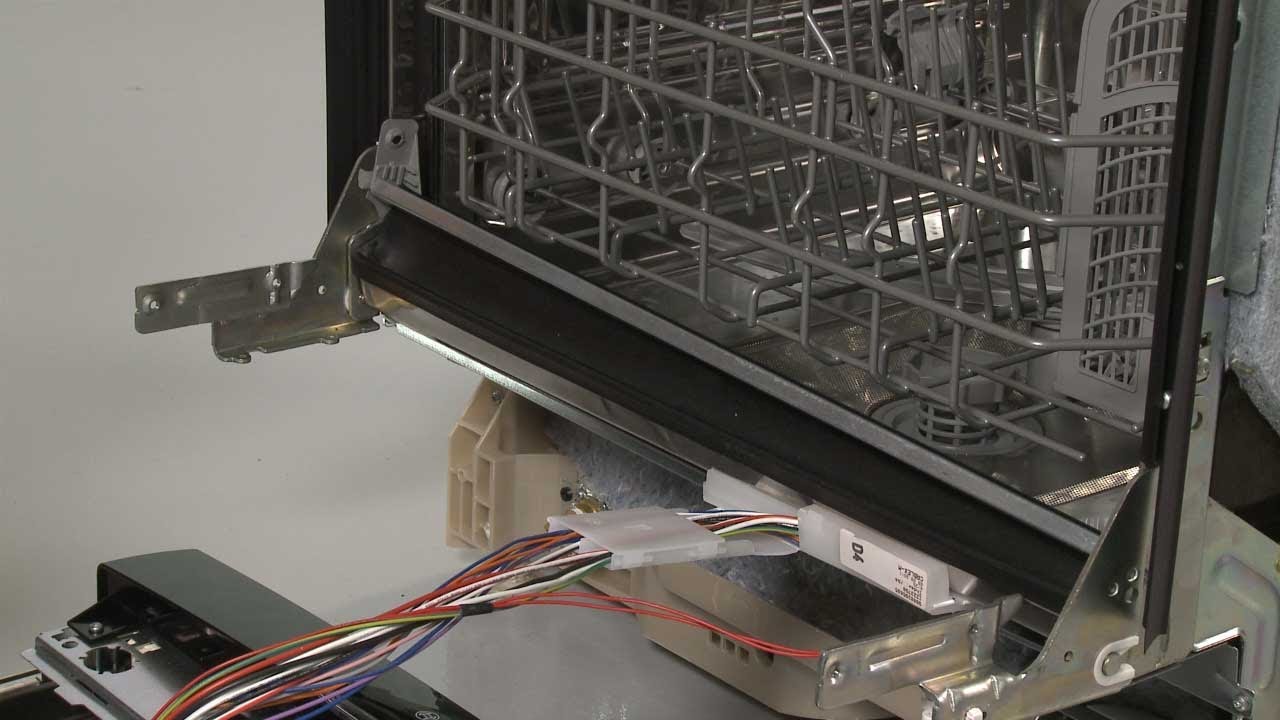
The door gasket seals water inside the dishwasher. A worn or cracked gasket causes leaks. Remove the old gasket by pulling it gently from the door frame. Clean the groove before installing a new gasket. Press the new gasket firmly into place all around the door. This simple fix restores a tight seal and stops leaks.
Cleaning Filters And Drains
Clogged filters or drains block water flow and cause leaks. Remove the bottom rack and find the filter. Take out debris and rinse the filter under running water. Check the drain area for food bits or dirt. Clean all parts carefully. Regular cleaning prevents leaks and improves dishwasher performance.
Tightening Hose Clamps
Loose hose clamps allow water to escape. Locate the hoses connected to the dishwasher. Use a screwdriver to tighten the clamps securely. Check both the drain hose and water inlet hose. Tight clamps keep hoses in place and stop leaks at the connections.
Adjusting Dishwasher Level
An uneven dishwasher causes water to pool and leak. Use a level tool to check the dishwasher’s position. Adjust the legs by turning them clockwise or counterclockwise. Make sure the dishwasher sits flat on the floor. Proper leveling ensures water stays inside during cycles.
Using Proper Detergent
Using the wrong detergent creates excess suds that overflow and leak. Always use detergent made for dishwashers, not hand soap. Follow the detergent dosage recommended in the user manual. Correct detergent prevents suds buildup and keeps leaks away.
Credit: www.youtube.com
When To Call A Technician
Knowing when to call a technician for your Bosch dishwasher leak can save time and prevent damage. Some issues need expert tools and knowledge. Acting quickly helps avoid water damage and costly repairs. Below are signs that professional help is necessary.
Persistent Leaks After Diy Fixes
If leaks continue after you tried simple fixes, call a technician. Persistent leaks might mean hidden problems you cannot see. A pro can find the root cause and fix it properly. Avoid risking more damage by delaying professional service.
Complex Pump Or Valve Repairs
Repairs involving pumps or valves require skill and special tools. These parts control water flow and pressure inside the dishwasher. A wrong repair can cause bigger leaks or appliance failure. Let a technician handle these complex repairs to ensure safety and reliability.
Safety Precautions
Water and electricity together are dangerous. Unplug the dishwasher before inspecting or fixing leaks. Do not try to repair electrical or internal mechanical parts yourself. Technicians follow safety rules and use protective equipment. Calling a pro reduces risk of injury and damage.
Preventing Future Leaks
Preventing leaks in your Bosch dishwasher extends its life and saves water. Small problems can lead to bigger issues if ignored. Taking simple steps helps keep your dishwasher leak-free and working well. Here are key practices to avoid future leaks.
Regular Maintenance Tips
Clean the dishwasher filter every month. Remove food debris to prevent clogs. Check door seals for cracks or dirt. Wipe seals gently with a damp cloth. Inspect hoses for any signs of wear or leaks. Replace damaged parts quickly to stop leaks early. Run the dishwasher on a cleaning cycle once in a while. This removes buildup inside the machine. Regular care keeps all parts in good condition.
Proper Loading Practices
Do not overload the dishwasher. Overloading blocks water flow and causes leaks. Place large items away from the door edges. Ensure no dishes block the spray arms. Close the dishwasher door gently and fully. Avoid forcing the door shut. Correct loading helps water circulate properly and prevents leaks at the door.
Monitoring Water Pressure
Check your home’s water pressure regularly. High water pressure can damage dishwasher hoses and seals. Low pressure may cause incomplete drainage and leaks. Use a pressure gauge to measure water pressure. Keep it within the Bosch recommended range. Contact a plumber if pressure is too high or low. Proper water pressure protects your dishwasher from leaks and damage.

Credit: www.youtube.com
Repair Or Replace?
Deciding whether to repair or replace a Bosch dishwasher leaking can be challenging. The right choice depends on several factors. Understanding these can save you money and trouble.
Knowing when repair makes sense and when replacement is smarter helps you avoid ongoing problems. Let’s explore key points to guide your decision.
Evaluating Repair Costs
Start by finding the cost of the repair. Some leaks need simple fixes like replacing a seal. Others may require new parts or labor.
Compare repair costs with the price of a new dishwasher. Repairs that cost more than half the price of a new unit may not be worth it.
Check if the repair is covered by warranty. If yes, repair is usually the better option.
Considering Dishwasher Age
Older dishwashers often have more problems. Parts may be harder to find or more expensive. Repairing an old dishwasher may only delay replacement.
Dishwashers over 10 years old usually need replacing. New models are more efficient and reliable. A newer dishwasher may save water and energy.
For dishwashers under 5 years old, repair is often cheaper and simpler. Newer machines have better technology and longer life expectancy.
Long-term Solutions
Think about how long you want the dishwasher to last. Repair may be quick but might not fix all issues. Leaks can return if the root cause is missed.
Replacing gives a fresh start with a full warranty. It avoids future repair costs and frustration. New dishwashers come with updated features and better performance.
Choose the option that fits your budget and needs. Consider repair for short-term use and replacement for long-term peace of mind.
Credit: www.reddit.com
Frequently Asked Questions
Why Is My Bosch Washer Leaking From The Bottom?
Your Bosch washer leaks from the bottom due to worn detergent drawer seals, cracked hoses, or loose connections. Check the gasket, inlet hose, pump, and drain for damage or blockages. Fix or replace faulty parts to stop leaks and ensure proper water flow during rinse and drain cycles.
What Is The Most Common Problem With Bosch Dishwashers?
The most common problem with Bosch dishwashers is leaking, often caused by a faulty door gasket, clogged filter, or broken pump seal.
Is It Worth Fixing A Leaking Dishwasher?
Fixing a leaking dishwasher is worth it if the appliance is relatively new and repair costs are reasonable. Older dishwashers may be better replaced to avoid recurring leaks and expenses. Inspect seals, hoses, and valves first to identify repair needs and potential savings.
Why Is The Bottom Of My Dishwasher Leaking Underneath?
The bottom of your dishwasher leaks due to a damaged door gasket, clogged filter, broken pump seal, or faulty water inlet valve. Check seals, hoses, drain, and connections for cracks, blockages, or looseness. Fixing these issues stops leaks and prevents water damage under the dishwasher.
Why Is My Bosch Dishwasher Leaking Water From The Bottom?
A faulty door seal, clogged drain, broken pump, or loose hose can cause leaks at the bottom.
Conclusion
A leaking Bosch dishwasher can cause water damage and inconvenience. Check seals, hoses, and filters regularly for wear or blockages. Fix small issues early to avoid costly repairs. Sometimes, replacing parts is better than fixing old damage. Regular cleaning helps keep your dishwasher leak-free.
Stay attentive to any unusual water puddles or sounds. Taking these steps protects your kitchen and your appliance. Keep your Bosch dishwasher running smoothly and leak-free for years.