
Are you noticing black leaves creeping onto your beloved plants? It’s frustrating to see those dark spots or entire leaves turning black, and you might be wondering what’s going wrong.
Black leaves aren’t just an eyesore—they often signal underlying problems that could harm your plant’s health if left unchecked. But don’t worry, you’re not alone, and there are clear steps you can take to bring your plants back to life.
You’ll discover the common reasons why leaves turn black and exactly how you can fix each issue. Keep reading, and you’ll learn how to save your plants and keep them thriving for the long haul.
Credit: easyplant.com
Causes Of Black Leaves
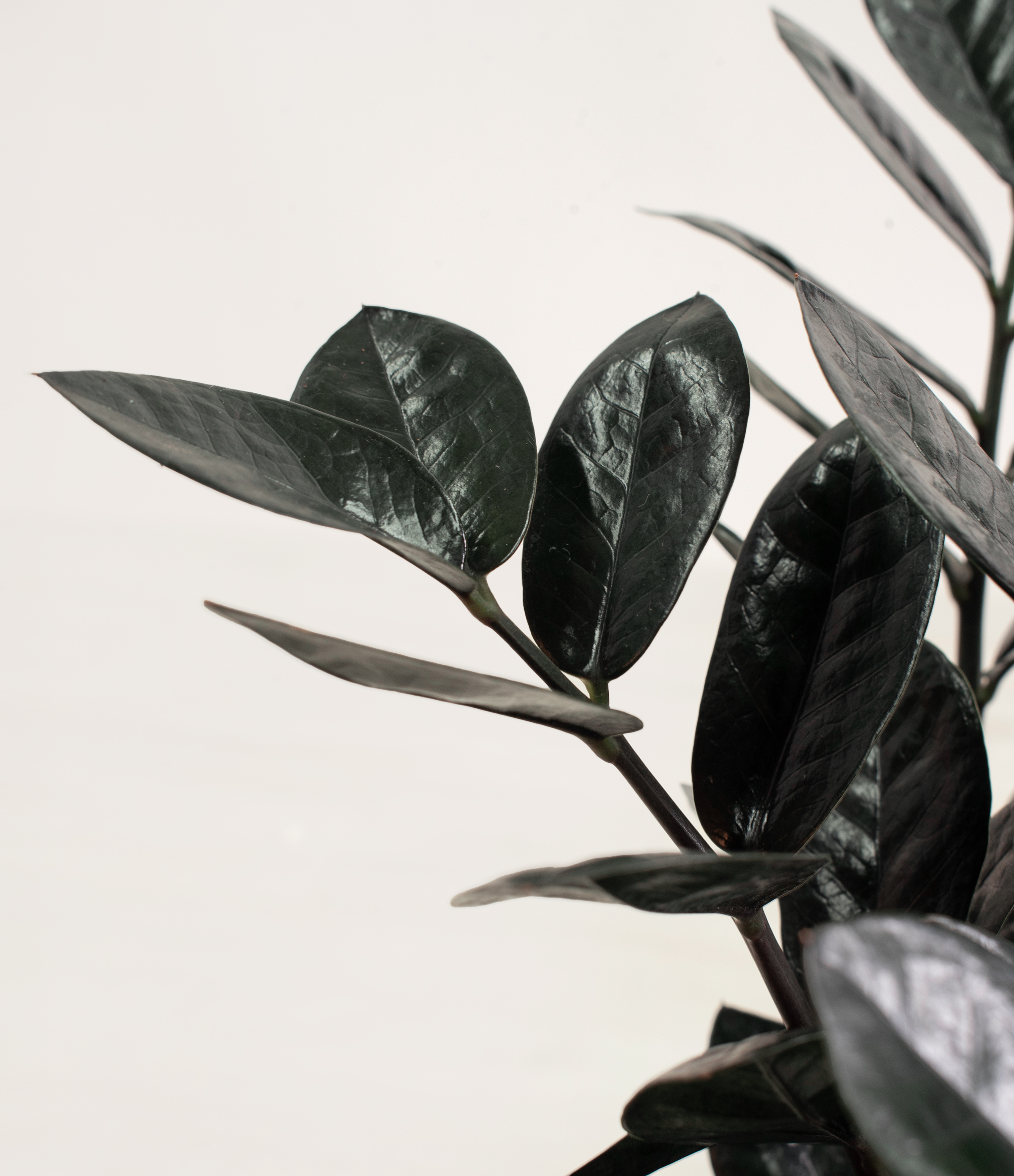
Black leaves on plants signal stress or disease. Identifying black leaf symptoms early helps protect your plant’s health. Symptoms vary by cause but share common signs. Knowing these signs lets you act quickly and save your plants.
Spotting And Blight Patterns
Black spots often start small and spread fast. They may have yellow halos around them. Blight causes large black patches that make leaves wilt. Check both leaf tops and undersides for spots. Patterns help tell if it’s fungal or bacterial.
Sticky Residue And Mold Presence
Sticky residue on leaves can attract black mold. This sooty mold looks like a dark dust coating. It grows on honeydew left by pests like aphids. Mold blocks sunlight and harms leaf health. Wipe leaves gently to see if residue is present.
Leaf Texture And Color Changes
Blackened leaves may turn dry and brittle. Some leaves feel slimy or mushy instead. Color changes start with dark spots, then spread. Edges may curl or shrivel as damage grows. Texture and color clues show severity and cause.

Credit: www.livelyroot.com
Identifying Black Leaf Symptoms
Black leaves on plants signal stress or disease. Immediate action prevents further damage. Several effective solutions restore plant health and beauty. Each method targets a common cause of leaf blackening. Follow these simple steps to save your plants.
Pruning Damaged Leaves
Cut off black or dying leaves carefully. Use clean, sharp scissors or pruning shears. Removing damaged leaves stops disease spread. It also helps the plant focus energy on healthy growth. Dispose of cut leaves away from other plants.
Adjusting Watering Practices
Check soil moisture before watering. Overwatering causes root rot and black leaves. Allow the top inch of soil to dry out. Water deeply but less often. Proper watering keeps roots healthy and prevents leaf damage.
Pest Control Methods
Inspect plants for pests like aphids or scale insects. These pests cause black spots and mold growth. Use insecticidal soap or neem oil to treat infestations. Wipe leaves gently to remove pests and mold. Repeat treatment weekly until pests vanish.
Improving Light And Airflow
Place plants where they get enough indirect sunlight. Poor light weakens plants and causes black leaves. Increase airflow by spacing plants apart. Good air circulation reduces moisture buildup and fungal growth. Avoid crowded or dark spots indoors.
Soil Flushing Techniques
Flush soil with clean water to remove salt buildup. Excess salts harm roots and cause black leaves. Pour water slowly through the soil until it drains freely. Repeat monthly to keep soil fresh. Use filtered or rainwater if possible.
Effective Solutions
Preventing black leaves on plants requires consistent care and attention. Healthy plants resist diseases and pests better. Simple steps can keep leaves green and vibrant. Focus on watering, cleanliness, pest control, and soil quality. These measures protect plants and promote growth.
Proper Watering Schedules
Water plants according to their needs. Avoid overwatering, which causes root rot and black leaves. Let the soil dry slightly between waterings. Use pots with drainage holes to prevent water buildup. Check soil moisture before watering again.
Maintaining Clean Plant Environment
Keep the plant area free from debris and fallen leaves. Clean leaves gently with a damp cloth to remove dust and mold spores. Remove dead or infected leaves promptly to stop disease spread. Ensure good air circulation around plants to reduce fungal growth.
Regular Pest Inspections
Inspect plants weekly for pests like aphids, scales, and mites. Pests can cause black spots and leaf damage. Use natural insecticidal soaps or neem oil to control infestations. Early detection prevents severe damage and blackening of leaves.
Using Quality Soil And Water
Choose well-draining, nutrient-rich soil to support healthy roots. Avoid using hard or contaminated water that harms plants. Use filtered or rainwater if tap water quality is poor. Good soil and water reduce stress and leaf problems.
Preventive Measures
Maintaining healthy plants requires thoughtful care and attention. Expert tips help prevent issues like black leaves, which signal stress or disease. These tips focus on selecting strong plants, proper indoor care, and adapting to seasonal changes. Following these steps keeps your plants vibrant and thriving.
Choosing Resistant Plant Varieties
Select plant types known for disease resistance. These varieties handle stress and pests better. Research local plants suited to your climate. Resistant plants reduce the chance of black leaves caused by infections. Start with healthy seedlings from trusted sources to avoid early problems.
Best Practices For Indoor Plants
Place indoor plants where they get enough light but avoid direct harsh sun. Water only when soil feels dry to prevent root rot. Keep leaves clean by wiping off dust gently. Use well-draining pots to stop water buildup. Monitor humidity and air circulation to lower fungal risks.
Seasonal Care Adjustments
Adjust watering routines with changing seasons. Plants need less water in cooler months and more during growth periods. Trim dead or damaged leaves regularly to promote airflow. Protect plants from cold drafts or extreme heat. Changing care habits helps prevent black leaf issues year-round.
Frequently Asked Questions
How Do You Fix Black Leaves On Plants?
Trim blackened leaves with clean scissors. Adjust watering to prevent root rot. Treat fungal infections using fungicide. Remove pests with insecticidal soap. Wash sooty mold off leaves using soapy water. Ensure proper light and avoid extreme temperatures to reduce stress.
What Does “black Leaf” Mean?
“Black leaf” refers to leaves that turn black due to causes like overwatering, fungal infections, pests, or environmental stress. It often signals plant damage or disease requiring prompt care.
Why Would A Leaf Turn Black?
Leaves turn black due to overwatering, fungal infections, pest infestations, environmental stress, or mineral buildup on soil and leaves.
How Do You Treat Black Soot On Leaves?
Treat black soot on leaves by washing them with soapy water. Control pests causing honeydew, then prune damaged leaves. Maintain proper watering and improve air circulation to prevent recurrence.
What Causes Black Leaves On Plants?
Black leaves often result from overwatering, fungal infections, pest damage, or nutrient deficiencies.
Conclusion
Black leaves on plants signal a problem that needs quick care. Check watering habits and soil moisture first. Remove any damaged or blackened leaves gently. Watch for pests or signs of fungal infection. Clean leaves if you see black mold or dirt.
Using proper treatments keeps plants healthy and green. Regular care helps plants avoid black leaf issues. Stay attentive and act fast for best results. Healthy plants bring joy and fresh air indoors.