
If you’ve ever tried to delete an app from your iPhone and found that it simply refuses to go away, you’re not alone. Many iPhone users experience this issue, and it can be incredibly frustrating. Sometimes, the app icon stays on your screen no matter how many times you tap “Delete.
” Other times, the “X” or “Remove App” option doesn’t even appear. You might wonder if your phone is broken or if you’re missing something obvious.
This problem can happen to anyone, whether you’re using an old iPhone or the latest model. It’s not just about storage or space; sometimes, system settings, restrictions, or even bugs can cause apps to stick around. Let’s explore why this happens, how to fix it, and what you need to know to keep your iPhone running smoothly.
By the end of this guide, you’ll have practical solutions and insights, even those most beginners miss.
Why Apps Don’t Delete: Common Causes
Understanding why an app won’t delete is the first step to solving the problem. Here are the main reasons:
1. Restrictions Or Screen Time Settings
Apple’s Screen Time or Restrictions features can block app deletion. If enabled, you won’t see the delete option.
2. App Is A System App
Some apps are built into iOS (like Safari or Messages) and can’t be fully removed.
3. App Is Still Downloading Or Updating
If an app is stuck “waiting,” updating, or downloading, you can’t delete it until the process finishes.
4. Device Management Profiles
If your iPhone is managed by a school or employer, they may lock certain apps.
5. Software Bugs Or Glitches
Sometimes, a system glitch prevents deletion.
6. App Library Or Home Screen Confusion
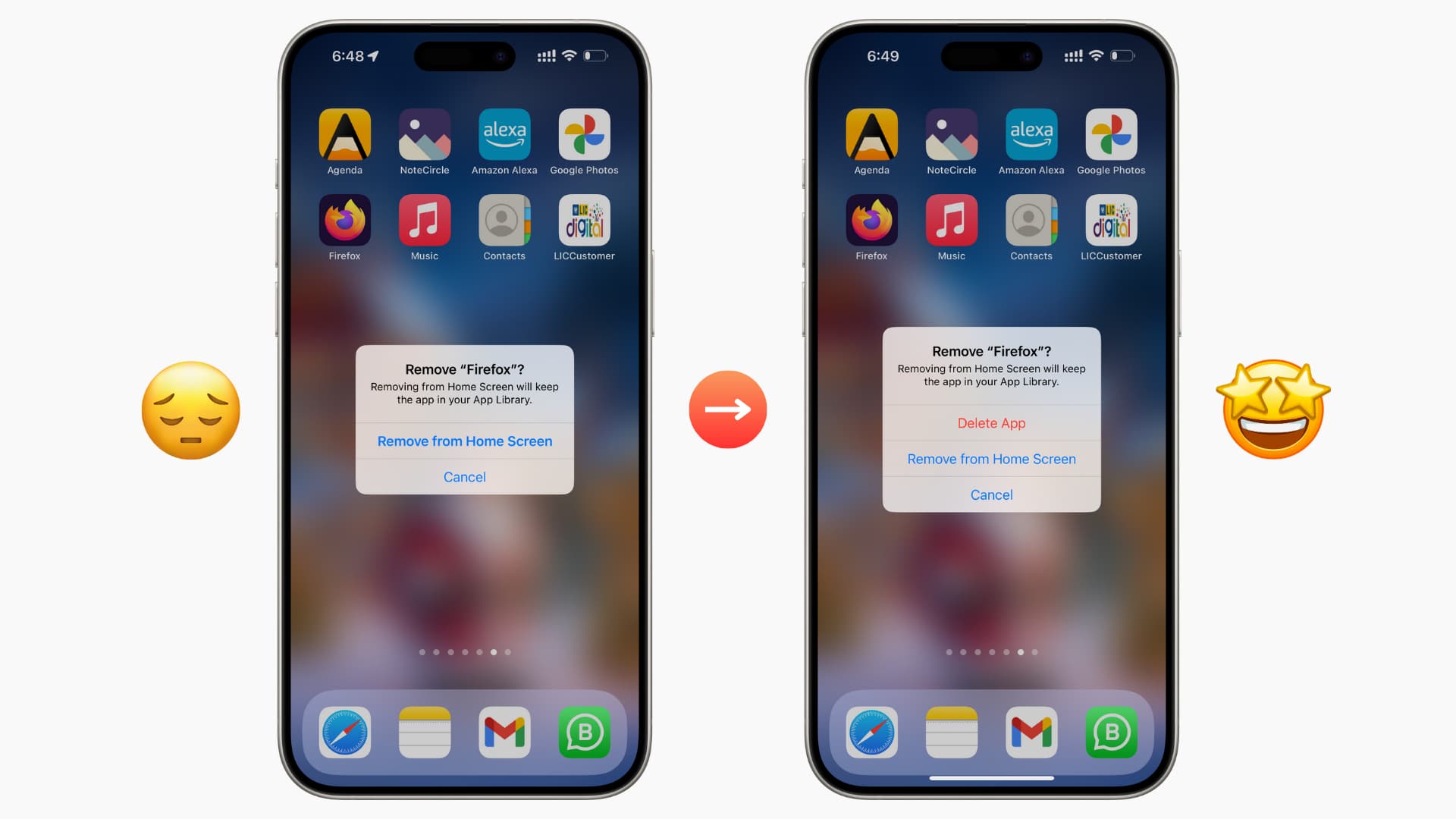
In iOS 14 and later, removing an app from your Home Screen doesn’t always uninstall it—it may just move to the App Library.
7. Storage Issues
Low storage or system errors can also cause deletion problems.
8. Outdated Ios Version
Old versions of iOS can have bugs that interfere with deleting apps.
Each cause needs a different solution. Let’s look at how to fix each one.
How To Delete Apps On Iphone: The Right Way
Before troubleshooting, make sure you’re using the correct deletion method. There are two main ways to delete apps:
Method 1: From The Home Screen
- Find the app icon you want to remove.
- Press and hold the icon until a menu appears (on iOS 13 or later).
- Tap “Remove App.”
- Choose “Delete App” to uninstall completely.
Method 2: From Settings
- Open Settings.
- Go to General > iPhone Storage.
- Scroll to find the app.
- Tap the app, then tap “Delete App.”
If neither method works, move on to the fixes below.

Credit: www.reddit.com
Fixing App Not Deleting From Iphone
Let’s address each cause with practical steps.
1. Check For Restrictions (screen Time)
Screen Time settings can block app deletion. Here’s how to check:
- Open Settings.
- Tap Screen Time.
- Go to Content & Privacy Restrictions.
- Enter your passcode if needed.
- Tap iTunes & App Store Purchases.
- Find Deleting Apps and set it to Allow.
If it was set to Don’t Allow, that’s why you couldn’t delete apps.
Non-obvious Tip
If you recently enabled Screen Time, settings may not update instantly. Restart your iPhone after changing restrictions to ensure they apply.
2. Make Sure The App Is Not A System App
Some apps, like Phone, Messages, or Safari, are core parts of iOS and can’t be fully removed. Others, such as Mail or Maps, can be deleted in iOS 12 and later. If you don’t see the delete option, check if it’s a protected app.
Example
You can’t delete the “Settings” app. If you try, the delete option won’t appear.
3. Wait For Apps To Finish Downloading Or Updating
If an app says “Waiting,” “Loading,” or shows a grayed-out icon, it’s busy updating or downloading. You must let the process finish before deleting.
What to do:
- Connect to a stable Wi-Fi network.
- Pause and resume the download by tapping the app icon.
- After the download is complete, try deleting again.
4. Remove Device Management Or Mdm Profiles
If your phone is managed (common for work or school devices), certain apps may be locked.
How to check:
- Open Settings.
- Go to General > VPN & Device Management.
- If there’s a profile installed, it may restrict deleting apps.
If you own the phone and don’t need the profile, remove it. If it’s a work device, contact your IT department.
Key Insight
Even after removing a profile, you may need to restart your iPhone before deletion is possible.
5. Restart Or Force Restart Your Iphone
A simple restart often solves glitches.
- Hold the power button and slide to power off. Wait, then turn on.
- For a force restart:
- On iPhone 8 or later: Press and quickly release Volume Up, then Volume Down, then hold the Power button until you see the Apple logo.
Try deleting the app after restarting.
6. Update Ios
Outdated software can cause odd bugs. To check for updates:
- Go to Settings > General > Software Update.
- If an update is available, install it.
- After updating, try deleting the app again.
7. Use Storage Management
If your storage is nearly full, your phone may not function correctly.
- Free up space by deleting photos, videos, or other unused apps.
- Go to Settings > General > iPhone Storage to see what’s taking up space.
8. Delete From App Library (ios 14 And Later)
In newer iOS versions, apps may move to the App Library but remain installed.
- Swipe left until you reach the App Library.
- Find the app, press and hold, then tap “Delete App.”
This removes it completely.
9. Sign Out And Back Into Your Apple Id
Sometimes, a glitch with your Apple ID can cause issues. Try:
- Go to Settings and tap your name.
- Scroll down and tap Sign Out.
- Sign in again, then try deleting the app.
10. Reset All Settings (last Resort)
Warning: This will reset system settings but won’t erase your data.
- Go to Settings > General > Transfer or Reset iPhone.
- Tap Reset > Reset All Settings.
- Enter your passcode and confirm.
This often resolves stubborn issues.
11. Restore Iphone As New (extreme Fix)
If all else fails, you may need to erase your iPhone and set it up as new.
Back up first!
- Go to Settings > General > Transfer or Reset iPhone > Erase All Content and Settings.
- Follow prompts to erase.
- Restore from backup or set up as new.
Comparing Deletion Methods
Here’s a quick look at the main ways to delete apps and their differences:
| Method | Where to Use | Pros | Cons |
|---|---|---|---|
| Home Screen | Any app icon | Fast and easy | May not work for all apps |
| Settings > iPhone Storage | All installed apps | Shows storage details | Slower, more steps |
| App Library | iOS 14+, apps not on Home Screen | Find hidden apps | Not on older iOS |
Special Cases: Apps That Can’t Be Deleted
Some apps are protected by iOS. Here’s a comparison of which can and cannot be deleted:
| App | Deletable? | Notes |
|---|---|---|
| Safari | No | System app, cannot remove completely |
| Yes | Can delete in iOS 12+ | |
| Messages | No | Core app, cannot remove |
| Stocks | Yes | Can delete in iOS 12+ |
| Health | No | Protected app |
Real-world Examples
Let’s look at some situations that real users have faced:
- Case 1: A parent set up Screen Time to limit their child’s phone use but forgot to allow app deletion. The child couldn’t remove any apps until the setting was changed.
- Case 2: A user’s Mail app wouldn’t delete. They discovered it was still downloading an update in the background. Once the download finished, they could remove it.
- Case 3: Someone with a work iPhone found several apps “locked.” Their company’s device management profile blocked deletion for security reasons.
- Case 4: After updating to a new iOS version, an app icon stayed on the screen but was grayed out. Restarting the phone fixed the issue.
Common Mistakes And Misunderstandings
Even experienced iPhone users sometimes miss these points:
- Not all apps can be deleted. Some are built into iOS and will never show a delete option.
- Removing from Home Screen does not uninstall. On iOS 14+, “Remove from Home Screen” only hides the app.
- Deleting an app may not delete its data. Some apps store data in iCloud or elsewhere.
- Profiles can block deletion. If your iPhone is managed, you may have no control over certain apps.
- Forgetting to check Screen Time. Many users don’t realize restrictions can block deletion.
What To Do If Apps Still Won’t Delete
If you’ve tried everything and apps still won’t delete, here’s a checklist:
- Confirm you’re not trying to remove a system app.
- Double-check for restrictions or device management profiles.
- Update to the latest iOS version.
- Restart your device.
- Try deleting from both the Home Screen and Settings.
- Back up your data and reset your iPhone as a last resort.
If the problem continues, contact Apple Support or visit an Apple Store. Sometimes, hardware or deep software issues need professional help.

Credit: www.youtube.com
Why Deleting Apps Matters
You might wonder why it’s important to delete unwanted apps:
- Frees up storage space for photos, videos, and new apps.
- Improves performance by removing unused background processes.
- Protects privacy by deleting apps you no longer use.
- Keeps your phone organized and easier to use.
If your iPhone is full, you may notice slower performance, failed updates, or trouble installing new apps. Regularly reviewing and removing unused apps helps your device run smoothly.
Advanced Troubleshooting Tips
For stubborn cases, try these less-known techniques:
- Delete via iTunes (on Mac or PC):
For older iPhones, you can sometimes delete apps by connecting your device to a computer and managing apps through iTunes.
(Note: This feature is no longer available in recent iTunes updates.)
- Check for App Updates:
Some apps may not delete because they’re mid-update. Go to the App Store, tap your profile, and update all pending apps.
- Clear App Store Cache:
Open the App Store and tap any of the bottom icons (Today, Games, Apps) ten times quickly. This refreshes the App Store, which can resolve deletion bugs.
- Free Up Memory:
Close all apps in the background, then try again. Low memory can cause odd behavior.
Credit: www.idownloadblog.com
Preventing Future App Deletion Problems
Take these steps to avoid headaches later:
- Keep iOS up to date. New versions fix bugs.
- Avoid installing unnecessary profiles. Only accept device management profiles from trusted sources.
- Review Screen Time settings regularly. Make sure nothing blocks app deletion.
- Manage your storage proactively. Delete unused apps and files before storage gets too low.
- Restart your iPhone regularly. This helps prevent minor glitches.
When To Ask For Help
If you’ve tried everything and still can’t delete an app, it may be time to reach out for support. Visit an Apple Store or contact Apple’s support team. Persistent issues can sometimes signal deeper problems.
You can also find detailed troubleshooting steps on Apple’s official support page:
Frequently Asked Questions
Why Can’t I Delete Some Apps From My Iphone?
Some apps are built into iOS and cannot be deleted. Examples include Phone, Messages, and Safari. Others may be protected by device management profiles or Screen Time restrictions.
What Does “remove From Home Screen” Mean?
On iOS 14 and later, “Remove from Home Screen” hides the app icon but does not uninstall the app. The app remains in your App Library and on your device.
Will Deleting An App Also Delete Its Data?
Deleting an app usually removes its data from your device. However, some apps store information in iCloud or other cloud services, which may not be deleted automatically. Always check the app’s settings or documentation.
Can I Recover An App After Deleting It?
Yes. You can redownload any app you’ve purchased or downloaded before from the App Store, as long as it’s still available. Your data may not be restored unless the app supports cloud backup.
What If I Still Can’t Delete An App After Trying Everything?
If you’ve checked all settings, updated iOS, and restarted your phone but still can’t delete an app, your device may have a software or hardware problem. Contact Apple Support or visit an Apple Store for help.
Dealing with an app that won’t delete from your iPhone can feel overwhelming, but most cases have simple solutions. By understanding the possible causes and following the steps above, you can regain control of your device. Remember, keeping your iPhone up to date and reviewing your settings regularly can help prevent these problems in the future. If you ever feel stuck, don’t hesitate to ask for expert help or visit Apple Support for more information.