
If your Quip Water Flosser suddenly stops working, it can feel frustrating—especially if you rely on it for your daily dental routine. Many users face this problem at some point, whether the device won’t turn on, doesn’t spray water, or loses pressure. While the Quip Water Flosser is designed to be simple and reliable, even the best gadgets have issues now and then. The good news? Most problems can be solved at home with the right approach. This article will guide you step by step through common reasons your Quip Water Flosser isn’t working, how to troubleshoot, and what to do if you need professional help. You’ll learn practical tips, avoid common mistakes, and discover how to keep your flosser in top shape for years to come.
Understanding Your Quip Water Flosser
Before you start fixing, it helps to know how the Quip Water Flosser works. This small device uses a pump to push water through a nozzle, helping you clean between your teeth. The flosser has a water tank, a power button, a nozzle, and sometimes a rechargeable battery. Most models have two modes: a steady stream and a pulsing spray.
The Quip Water Flosser is popular because it’s simple and portable. It’s less noisy than some countertop flossers and doesn’t need a lot of parts. But like any device, small things can go wrong and stop it from working. Knowing the basics will help you find the problem faster.
Common Problems With Quip Water Flosser
Let’s look at the most common issues users report:
- Device will not turn on
- No water comes out
- Low or weak water pressure
- Water leaks from the tank or nozzle
- Battery does not charge
- Flosser turns off unexpectedly
- Button is stuck or unresponsive
- Nozzle is clogged
- Flosser is noisy or vibrates strangely
- Water is not warm or too cold
Each problem has different causes and solutions. Let’s break them down one by one.
Device Will Not Turn On
If your flosser won’t power up, the problem is usually with the battery, charging contacts, or internal electronics. Start by checking the basics:
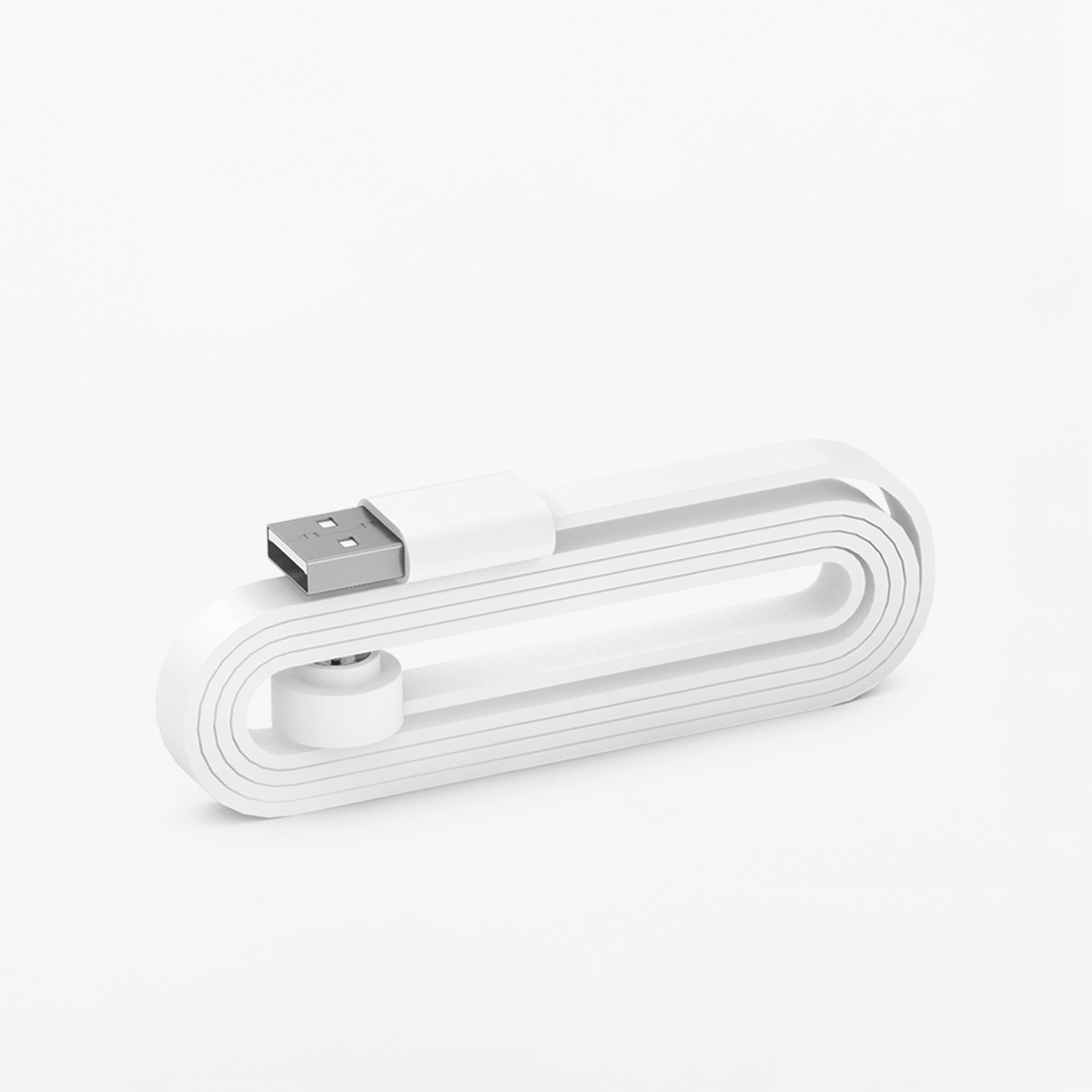
- Make sure the device is fully charged. A full charge usually takes 4–8 hours.
- Check the charger and cable for damage.
- Try a different power outlet.
- Clean any dirt off the charging contacts.
If the flosser still won’t turn on, press and hold the power button for 10 seconds. This sometimes resets the device. If nothing happens, the battery or internal circuit may be faulty.
Pro Tip: Many users forget to check if the charger is plugged in tightly. Even a small gap can stop charging.
No Water Comes Out
This is one of the most common complaints. If you hear the motor running but no water comes out, check these points:
- Is the water tank full and seated correctly?
- Is the nozzle attached firmly?
- Are there any visible cracks or leaks in the tank?
Sometimes, air bubbles get trapped inside the pump. Remove the nozzle and run the device for a few seconds. This can help push out trapped air.
Another common issue is a clogged nozzle. Use a thin toothpick or the cleaning tool that came with your Quip to clear any debris.
Non-obvious Insight: Hard water can build up in the nozzle quickly, blocking the spray. Rinse the nozzle with warm vinegar water monthly to prevent this.
Low Or Weak Water Pressure
When the pressure drops, cleaning becomes less effective. Causes can include:
- Clogged nozzle: Clean the nozzle as above.
- Partial blockage in the pump: Fill the tank with warm water and a little white vinegar. Run the flosser until the tank is empty. This can dissolve small mineral deposits.
- Low battery: If the battery is nearly empty, pressure can drop. Fully recharge before testing again.
If the problem continues, the pump may be failing. Contact Quip support for advice.
Pro Tip: Always use distilled or filtered water if your tap water is hard. This reduces mineral buildup.
Water Leaks From The Tank Or Nozzle
Leaks are usually easy to spot. Water might drip from the bottom of the tank, around the nozzle, or from the seam between parts.
- Make sure all parts are snapped together tightly.
- Check the rubber seals for wear or cracks.
- If the nozzle O-ring (the small rubber ring) is missing, replace it.
- For tank leaks, inspect for tiny cracks. Even a small crack can leak under pressure.
If you find a crack, replacement parts may be available from Quip.
Non-obvious Insight: Overfilling the tank can cause leaks around the lid. Fill only to the marked line.
Credit: www.getquip.com
Battery Does Not Charge
If your Quip Water Flosser won’t charge, try these steps:
- Clean the charging contacts with a cotton swab and isopropyl alcohol.
- Use only the original charger and cable.
- Try charging in a different outlet or USB port.
- Check if the charging light comes on.
Some models have a small reset button near the charging port. Use a paperclip to press it gently.
If the battery still won’t charge, it may be dead. Rechargeable batteries can wear out after a few years.
Flosser Turns Off Unexpectedly
If your flosser shuts down in the middle of use:
- Check if the battery is low.
- Make sure the nozzle is not blocked, which can force the motor to stop.
- Overheating can also cause automatic shut-off. Let the device cool for 20 minutes, then try again.
If the issue happens often, it could be a sign of electrical problems inside the device.

Credit: www.getquip.com
Button Is Stuck Or Unresponsive
A stuck or unresponsive button can happen if water or debris gets inside. Try these fixes:
- Clean around the button with a soft brush.
- Dry the area with a cloth.
- Press the button repeatedly to loosen it.
If cleaning doesn’t help, there may be an internal fault. Avoid pressing too hard—this can damage the electronics.
Nozzle Is Clogged
The nozzle is the part that sprays water. If it’s blocked, performance drops. Regular cleaning is key:
- Remove the nozzle and soak it in warm vinegar for 10 minutes.
- Use a thin brush or toothpick to clear debris.
- Rinse with clean water before reattaching.
Replace the nozzle every 3–6 months for best results.
Flosser Is Noisy Or Vibrates Strangely
While Quip Water Flossers make some noise, loud or strange vibrations are not normal.
- Remove the nozzle and run the device. If it’s quieter, the nozzle may be the problem.
- Check for loose parts.
- Make sure the water tank is seated properly.
Unusual noise from inside often means a failing pump or motor. Contact Quip support for a repair or replacement if under warranty.
Water Is Not Warm Or Too Cold
Some users like to use warm water for comfort. Quip Water Flossers do not heat water themselves, so always fill the tank with water at your preferred temperature.
- Do not fill with boiling water (can damage the tank).
- If water feels too cold, let it sit at room temperature before use.
Step-by-step Troubleshooting Guide
If your Quip Water Flosser is not working, follow these steps in order:
- Check the power: Make sure the device is charged.
- Inspect the tank: Fill with clean, room-temperature water.
- Attach the nozzle: Ensure it clicks into place.
- Test the button: Press and hold for 2 seconds to turn on.
- Run with nozzle removed: If no water comes out, try running without the nozzle to clear air bubbles.
- Clean the nozzle: Soak and rinse as described above.
- Check for leaks: Inspect all seals and connections.
- Try a reset: Some models have a reset button or sequence (check manual).
- Test another charger: Swap out cables or adapters if charging fails.
- Contact support: If all else fails, contact Quip for help.
How To Maintain Your Quip Water Flosser
Good maintenance prevents most problems. Here’s how to keep your flosser working well:
- Empty and dry the tank after each use to avoid bacteria growth.
- Clean the nozzle weekly with vinegar.
- Charge the battery fully each time—don’t leave it plugged in for weeks.
- Store in a dry place to prevent mold.
- Replace the nozzle regularly (every 3–6 months).
When To Replace Parts Or The Whole Device
Some problems can’t be fixed at home. Replace parts or the device if:
- The tank has a large crack.
- The battery won’t charge after many tries.
- The motor makes grinding or burning smells.
- The nozzle is damaged beyond cleaning.
Replacement parts are available from Quip’s website. For older devices, it may be better to buy a new one.
Comparing Quip With Other Water Flossers
How does Quip stack up against other popular water flossers? Here’s a simple side-by-side look:
| Feature | Quip Water Flosser | Waterpik Cordless | Philips Sonicare AirFloss |
|---|---|---|---|
| Size | Compact | Medium | Very Compact |
| Water Tank | Small (1 use) | Medium (2-3 uses) | Small (1 use) |
| Battery Life | About 1 week | About 1 week | About 2 weeks |
| Noise Level | Low | Medium | Low |
| Price (USD) | $50–$70 | $40–$80 | $60–$100 |

Credit: www.getquip.com
Real User Experiences
Many users share their experiences online. A few examples:
- “My Quip flosser stopped spraying after 3 months. Turned out the nozzle was blocked with hard water deposits. A quick vinegar soak fixed it.”
- “Battery wouldn’t charge. Cleaned the contacts, worked fine after.”
- “Device leaked from the tank. Replaced the O-ring and it was good as new.”
Learning from others helps you solve problems faster.
Warranty And Support
Quip offers a limited warranty (usually one year). It covers defects in materials and workmanship, but not damage from drops or misuse. If your device is under warranty:
- Contact Quip support with your order number.
- Provide a photo or video of the issue if possible.
- Follow their instructions for repair or replacement.
Most users report quick, helpful service.
Environmental Impact And Recycling
Quip promotes sustainability. They offer recycling programs for used nozzles and devices. Never throw batteries in the trash—return to an approved recycling center. This keeps harmful materials out of landfills.
Avoiding Common Mistakes
Some mistakes make flosser problems worse. Avoid these:
- Using boiling water (can warp plastic parts)
- Forcing the nozzle if stuck (can break seals)
- Ignoring small leaks (can cause bigger problems over time)
- Leaving water in the tank for days (grows bacteria)
- Using the wrong charger (can damage the battery)
Non-obvious Insight: If you travel, always empty the tank and dry the device. Pressure changes on planes can force water into the electronics.
Tips For Better Flossing Results
Even when your device works, technique matters. For best results:
- Hold the nozzle at a 90-degree angle to your gum line.
- Move slowly, pausing between teeth.
- Use warm water if you have sensitive teeth.
- Don’t press the nozzle hard against your gums—let the water do the work.
How To Deep Clean Your Quip Water Flosser
Every few weeks, deep clean your device:
- Fill the tank with equal parts white vinegar and warm water.
- Run the flosser until the tank is empty.
- Remove the nozzle and soak it in the same mixture for 10 minutes.
- Rinse all parts with clean water.
- Dry before reassembling.
This removes bacteria and mineral deposits.
When To Seek Professional Help
If you’ve tried all troubleshooting and the flosser still doesn’t work, it’s time for expert help. Contact Quip or visit a local electronics repair shop if:
- The device is still under warranty (Quip may send a replacement).
- There’s water inside the electronic parts.
- The motor sounds strange or burns.
Don’t open the device yourself—this can void the warranty.
Table: Quick Troubleshooting Reference
For fast problem-solving, check this guide:
| Problem | Likely Cause | Quick Fix |
|---|---|---|
| Won’t turn on | Battery dead, charger issue | Charge, clean contacts, try reset |
| No water spray | Clogged nozzle, air lock | Clean nozzle, run without nozzle |
| Low pressure | Partial block, low battery | Clean nozzle, recharge battery |
| Leaking | Loose parts, worn seal | Check connections, replace O-ring |
| Battery won’t charge | Bad cable, dirty contacts | Try new cable, clean contacts |
Table: Quip Water Flosser Models And Features
If you’re not sure which model you own, here’s a quick comparison:
| Model | Battery Type | Spray Modes | Tank Size | Special Features |
|---|---|---|---|---|
| Standard | Rechargeable | Stream, Pulse | 150ml | Travel case |
| Compact | Rechargeable | Stream | 100ml | Smaller design |
| Deluxe | Rechargeable | Stream, Pulse, Massage | 200ml | LED display |
Frequently Asked Questions
Why Is My Quip Water Flosser Not Turning On After Charging?
This usually means the battery is not receiving power. Check the charger, cable, and charging contacts. Clean the contacts and make sure you’re using the original charger. If the device is still dead, the battery may need to be replaced.
Can I Use Mouthwash Or Other Liquids In My Quip Water Flosser?
It’s best to use clean water only. Some mouthwashes contain oils or chemicals that can damage the pump. If you want extra freshness, use a small amount of dentist-approved mouthwash mixed with water, but rinse the device with water afterward.
How Often Should I Replace The Nozzle?
Replace the nozzle every 3–6 months, or sooner if it’s clogged or damaged. This keeps the spray strong and your mouth clean.
My Quip Water Flosser Makes A Loud Noise. Is That Normal?
A little noise is normal, but loud or strange vibrations could mean the nozzle or pump is clogged. Clean all parts and make sure nothing is loose. If the noise continues, contact Quip support.
Where Can I Get Replacement Parts For My Quip Water Flosser?
You can order replacement parts from the official Quip website or authorized retailers. Always use genuine parts to keep your warranty valid. For more details, visit Quip’s official site.
Conclusion
Keeping your Quip Water Flosser working is not as hard as it seems. With regular care and quick troubleshooting, you can enjoy fresh, healthy teeth for years to come. If you ever feel stuck, don’t hesitate to reach out for help or check the official resources. Your smile deserves the best care every day.