
Tooth pain can strike suddenly and feel overwhelming. Many people reach for Orajel or similar numbing gels, hoping for fast relief. But what if you apply Orajel and your toothache stays just as bad—or even gets worse? This can be frustrating, confusing, and sometimes scary. If Orajel is not working for your toothache, you’re not alone. Many people face this situation and wonder what to do next.
The truth is, tooth pain has many causes, and not all respond to the same treatments. Sometimes, even the strongest over-the-counter gels like Orajel don’t help at all. Knowing why this happens, what you can try instead, and when you should see a dentist can make a big difference in how you handle your pain and protect your health.
This article explains why Orajel might not work for your toothache, what factors affect its effectiveness, what to do next, and how to avoid mistakes that can make things worse. You’ll also find practical alternatives, tips for safe pain relief, and answers to common questions about oral pain and numbing gels.
How Orajel Works For Toothache
Understanding why Orajel may not work starts with what it actually does. Orajel’s main active ingredient is benzocaine, a local anesthetic. Benzocaine works by blocking nerve signals in the area where it’s applied. The goal is to numb the gums or the surface of the tooth, making you feel less pain for a short time.
People use Orajel for:
- Toothaches caused by cavities or injury
- Sore gums from braces, dentures, or teething
- Minor mouth injuries
However, Orajel does not treat the underlying cause of tooth pain—it only masks the sensation for a limited time, usually 15-45 minutes. That’s why it’s called a topical anesthetic, not a painkiller or cure.
Why Orajel May Not Work For Your Toothache
If you’re not feeling relief after using Orajel, several reasons might explain why. Let’s look at the most common causes:
1. Type Of Toothache
Not all toothaches are the same. Some come from deep inside the tooth (like an infected nerve or abscess), while others are on the gum or surface. Orajel only numbs the surface. If your pain is deep inside, the gel can’t reach the real source.
Examples:
- Pulpitis (inflamed tooth nerve)
- Dental abscess (infection at tooth root)
- Cracked tooth
For these, Orajel will feel useless because the gel can’t go deep enough.
2. Application Error
Orajel must touch the exact area causing pain. If you put it on the wrong spot, or if you eat or drink right after, the gel might wash away.
Common mistakes:
- Using too little gel
- Swallowing or licking the area right after
- Applying to the gum when the problem is inside the tooth
3. Severe Infections Or Swelling
If your mouth is swollen or infected, the tissue may block the gel from absorbing. Inflamed gums or pus can prevent benzocaine from soaking in, making it much less effective.
4. Tolerance Or Reduced Sensitivity
Some people use numbing gels often for cold sores, braces, or chronic gum pain. Over time, you may develop a tolerance to benzocaine, so it doesn’t work as well.
5. Wrong Product Or Strength
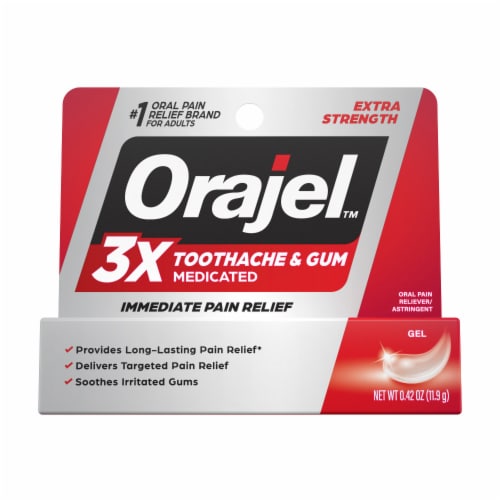
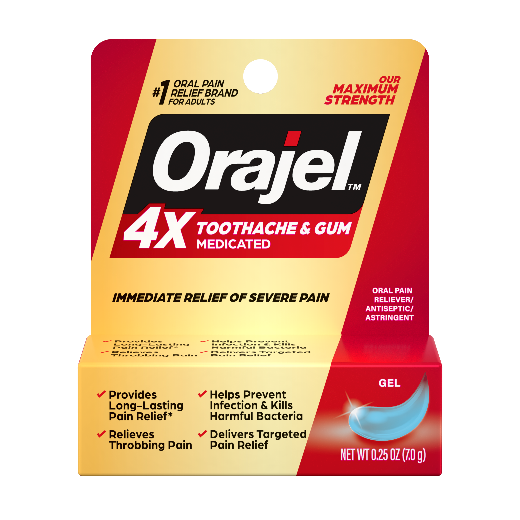
Orajel comes in different strengths. The regular gel is often 10% benzocaine, but maximum strength versions can be up to 20%. Using a weak formula on strong pain won’t help much. Also, some people buy similar products with less benzocaine or different ingredients.
6. Product Expired Or Improperly Stored
Benzocaine loses its effect after the expiration date or if stored in hot, humid places. Old or spoiled Orajel may not numb at all.
7. Misdiagnosed Pain
Some toothaches are not even tooth-related. For example, sinus infections, jaw joint problems, or nerve issues can feel like tooth pain, but Orajel won’t help because the real problem is elsewhere.
What To Do If Orajel Is Not Working
When Orajel doesn’t help, you need a plan. Here’s what you should do next:
1. Check Application Technique
- Dry the area with tissue or gauze before applying.
- Use a small amount, rub gently into the painful spot.
- Avoid eating, drinking, or rinsing for at least 15 minutes after.
Sometimes, just using the gel correctly makes a difference.
2. Try An Alternative Formulation
If you used regular Orajel, consider the maximum strength version, but follow the package directions carefully. Some people find that gels work better than creams, or vice versa.
3. Use Other Over-the-counter Pain Relievers
Ibuprofen or acetaminophen (Tylenol) can reduce pain and inflammation. These work throughout your body, not just the surface, so they may help more than topical gels for deep pain.
4. Try Cold Compresses
Hold an ice pack or cold cloth on your cheek for 15-20 minutes at a time. Cold can numb nerves and reduce swelling.
5. Rinse With Salt Water
Mix 1/2 teaspoon of salt in a cup of warm water and rinse your mouth gently. This can reduce swelling and clean the area.
6. Identify Warning Signs
If you notice any of the following, see a dentist immediately:
- Swelling in your face or jaw
- Fever or chills
- Difficulty swallowing or breathing
- Pus or foul taste in your mouth
- Tooth pain lasting more than 2 days
These can signal a serious infection that needs urgent care.
7. Schedule A Dental Appointment
Even if the pain feels better, you still need a dentist. Most toothaches mean there’s a problem that will not heal on its own. Delaying treatment can make things worse.
Common Mistakes People Make With Orajel And Toothache
It’s easy to make mistakes when you’re in pain and just want relief. Here are some errors to avoid:
- Using too much gel: Applying extra does not make it stronger and can cause side effects.
- Applying to the wrong place: Make sure you know whether the pain is in the gum or tooth.
- Relying on Orajel alone: This can delay proper treatment and let infections spread.
- Using expired product: Always check the date and storage.
- Not reading instructions: Each product may have different directions.
- Mixing with other numbing products: Overuse can increase the risk of serious side effects.
Side Effects And Risks Of Using Orajel
While Orajel is safe for most people when used as directed, it does have risks. Some side effects can be serious.
Common Side Effects
- Mild burning or stinging
- Redness at the application site
- Numbness in the mouth or lips
These usually go away quickly.
Serious Risks
One rare but dangerous side effect is methemoglobinemia, which reduces your blood’s ability to carry oxygen. Symptoms include:
- Blue or gray color of lips, skin, or nails
- Shortness of breath
- Fatigue or dizziness
This is more common in children under 2 years, so benzocaine products are not recommended for infants.
Allergic Reactions
Some people are allergic to benzocaine. Signs include rash, swelling, or trouble breathing. If this happens, stop using the product and seek medical help.
Overuse Dangers
Using too much Orajel, especially over large areas or for many days, can cause toxicity. Always follow the dosing instructions.
Home Remedies To Try When Orajel Fails
If Orajel isn’t helping, you might try other home remedies as a temporary fix until you see a dentist.
1. Salt Water Rinse
Salt water helps reduce swelling, cleans the area, and can relieve pain.
How to do it: Mix 1/2 teaspoon of salt with a cup of warm water, swish for 30 seconds, spit out. Repeat several times a day.
2. Cold Compress
Wrap ice in a towel, hold it to your cheek for 15-20 minutes. This reduces swelling and numbs pain.
3. Over-the-counter Painkillers
Ibuprofen is often better than acetaminophen because it reduces inflammation. Take as directed on the package.
4. Clove Oil
Clove oil contains eugenol, a natural anesthetic and antiseptic. Dab a tiny amount on the sore area with a cotton swab.
Caution: Too much can irritate gums. Never swallow.
5. Hydrogen Peroxide Rinse
Mix equal parts of 3% hydrogen peroxide and water. Swish gently and spit out. This can help clean infected gums.
Never swallow peroxide.
6. Peppermint Tea Bags
Cool a used peppermint tea bag in the fridge, then place it on the sore area. The menthol can create a cooling effect.
7. Garlic
Garlic has natural antibacterial properties. Crush a clove, mix with a little salt, apply to the sore tooth briefly.
Rinse afterward to avoid irritation.

Credit: www.jacksonavedental.com
When To See A Dentist Immediately
Some situations need urgent dental care. Waiting can be dangerous.
- Swelling in the jaw, cheek, or neck
- Difficulty opening your mouth
- High fever
- Red streaks on your face or neck
- Severe, throbbing pain that doesn’t stop
These can be signs of a spreading infection or abscess. Dental infections can become life-threatening if not treated.
What Not To Do For Toothache
When you’re desperate for pain relief, you might try things that can make things worse. Avoid these mistakes:
- Applying aspirin directly to gums or teeth: This can burn tissue.
- Breaking open pain capsules: Only use products as directed.
- Using heat: Heat can spread infection.
- Popping blisters or abscesses: This can push bacteria deeper.
- Self-medicating with leftover antibiotics: This can cause resistance and won’t cure most tooth problems.
How Dentists Treat Toothache When Orajel Fails
Dentists have many ways to treat tooth pain, depending on the cause. Here’s what you can expect.
1. Examination And X-rays
The dentist will look at your mouth and may take X-rays to see under the surface.
2. Professional Cleaning Or Drainage
If the pain is from gum disease or an abscess, the dentist may clean the area or drain the infection.
3. Fillings Or Crowns
Cavities are treated with fillings. Broken teeth may need crowns.
4. Root Canal
If the nerve is infected, a root canal removes the damaged tissue and saves the tooth.
5. Extraction
Sometimes, the tooth is too damaged to save and must be removed.
6. Prescription Medications
Dentists can prescribe stronger painkillers or antibiotics if there’s infection.
Important: Only a dentist can solve the real cause of most toothaches. Numbing gels are just a temporary solution.
Comparing Orajel With Other Toothache Remedies
It helps to see how Orajel compares with other common pain relief options.
| Remedy | How It Works | Best For | Duration of Relief |
|---|---|---|---|
| Orajel (Benzocaine) | Numbs surface nerves | Minor gum pain, teething | 15-45 minutes |
| Ibuprofen | Reduces inflammation & pain | Deep tooth pain, swelling | 4-6 hours |
| Salt Water Rinse | Reduces swelling, cleans | Mild gum irritation | Short, but repeatable |
| Clove Oil | Numbs & kills bacteria | Surface tooth/gum pain | 30-60 minutes |
Credit: www.picknsave.com
Orajel: Myths Vs. Facts
Many people have wrong ideas about how Orajel works. Let’s clear some up.
| Myth | Fact |
|---|---|
| It cures toothaches. | It only numbs the area for a short time. |
| More is better. | Extra gel won’t add relief and can be dangerous. |
| It works for all tooth pain. | It only helps surface pain, not deep or infected teeth. |
| It’s safe for babies. | Benzocaine can be dangerous for young children. |
How To Prevent Toothaches In The Future
While Orajel and home remedies can help in the moment, prevention is the best medicine. Here are smart steps to avoid future pain:
- Brush twice a day with fluoride toothpaste.
- Floss daily to remove food between teeth.
- Visit your dentist every 6 months for checkups and cleanings.
- Limit sugary foods and drinks—they fuel bacteria.
- Wear a mouthguard if you grind your teeth or play sports.
- Treat dental problems early before they become emergencies.
Non-obvious Insights About Orajel And Toothache
Many beginners miss these important facts:
- Deep tooth infections can spread quickly: If your pain is severe and Orajel doesn’t help, don’t delay. Dental infections can reach the jaw, neck, or even the brain. Fast treatment is vital.
- Numbing gels can mask serious problems: Temporary relief might make you think the issue is gone, but the real cause is still there. Use gels only while waiting to see a dentist.
- Numbing effect can make diagnosis harder: If you use Orajel right before your dental appointment, it might numb the area so much that the dentist can’t find the exact problem. Tell your dentist if you’ve used any gels.
- Orajel is not a long-term solution: Using it for more than a few days can hide symptoms and let decay or infection get worse.
When To Use Orajel And When To Avoid It
Use Orajel:
- For temporary relief of mild gum irritation
- For teething pain (adults only)
- For mouth sores or minor injuries
Avoid Orajel:
- If you have deep, throbbing tooth pain
- If you have swelling, fever, or pus
- In children under 2 years
- If you’ve had allergic reactions to benzocaine
When in doubt, talk to a dentist before using any new product.
Credit: www.orajel.com
Useful Resources For Further Reading
If you want more scientific information about oral pain and benzocaine products, the American Dental Association offers trusted advice on toothache causes and treatments.
Frequently Asked Questions
Why Does Orajel Only Numb My Gums But Not Stop The Pain?
Orajel works by numbing the surface tissue where you apply it. If your pain is coming from deeper inside the tooth, such as an infection or damaged nerve, the gel cannot reach the source. That’s why the pain might remain even if your gums feel numb.
Is It Safe To Keep Reapplying Orajel If It Doesn’t Work?
No. Using Orajel too often can cause side effects like burning, allergic reactions, or methemoglobinemia (a dangerous blood disorder). Always follow package instructions and do not use more than directed. If it’s not helping, stop and contact a dentist.
Can I Use Orajel And Ibuprofen Together For Tooth Pain?
Yes, you can use both together because they work in different ways. Orajel numbs the surface, while ibuprofen reduces pain and swelling inside. This combination can help until you see a dentist, but never exceed recommended doses for either product.
What Should I Do If Orajel Makes My Mouth Burn Or Swell?
Stop using the product right away. Burning or swelling can be signs of an allergic reaction. Rinse your mouth with water and seek medical help if symptoms get worse or if you have trouble breathing.
How Long Should I Wait Before Seeing A Dentist If Orajel Doesn’t Help?
If your toothache lasts more than 1-2 days without relief, or if you have swelling, fever, or pus, see a dentist as soon as possible. Dental problems usually get worse, not better, without professional care.
Conclusion
Toothache can be exhausting, but knowing what to do when Orajel is not working puts you in control. Use numbing gels safely, don’t ignore warning signs, and remember: real relief comes from treating the cause, not just the symptoms. Your dentist is your best ally for a healthy, pain-free smile.